

DX Physio

Physio Crows Nest

Individualised, evidence-based physiotherapy to support you at every stage of your health journey.

Physio Crows Nest

Physiotherapy Crows Nest

Your Local Physiotherapy Team Crows Nest

At DX Physio, we believe that with the right support, you may work toward moving with greater confidence and managing pain more effectively. Physiotherapy focuses on how the body moves and functions, using evidence-based manual techniques to support your overall health.

Whatever brings you through our doors, such as injury recovery, chronic pain management, or support from a women’s health physio near Crows Nest, our experienced physiotherapists are here to help.

Our Physiotherapy Services

With clinics in Cremorne and Balgowlah, DX PHYSIO provides Women’s Health and Musculoskeletal Physiotherapy for a range of concerns. Treatment plans are tailored to each person, with care designed around their individual needs and goals.

Conditions That Physiotherapy May Help Support

Physiotherapy uses hands-on techniques that may help assess and manage a range of conditions and injuries, including:

TMJ (Temporomandibular Joint) Dysfunction

  • Jaw pain and stiffness
  • Clicking or locking jaw
  • Associated headaches or neck tension
  • Lower back pain or sprain
  • Lumbar disc herniation or bulge
  • Sciatica or nerve root compression
  • Facet joint pain or degeneration

Neck Conditions

  • Neck strain and whiplash injuries
  • Cervical disc bulge or degeneration
  • Tension headaches originating from the neck
  • Postural-related neck pain

Hip and Pelvis Issues

  • Hip bursitis
  • Gluteal tendinopathy
  • Hip impingement (FAI)
  • Pelvic instability or SIJ dysfunction
  • Pelvic organ prolapse

Shoulder Injuries

  • Rotator cuff tears or tendinopathy
  • Shoulder impingement syndrome
  • Frozen shoulder (adhesive capsulitis)
  • Shoulder pain, instability or dislocations

Knee Injuries

  • Patellofemoral pain syndrome
  • ACL or meniscus injuries
  • Knee osteoarthritis
  • Runner’s knee or jumper’s knee

Elbow Pain

  • Tennis elbow (lateral epicondylitis)
  • Golfer’s elbow (medial epicondylitis)
  • Bursitis and elbow overuse injuries

Ankle and Foot Conditions

  • Ankle sprains
  • Achilles tendinopathy
  • Plantar fasciitis
  • Chronic Ankle Instability

Wrist and Hand Injuries

  • Carpal tunnel syndrome
  • De Quervain’s tenosynovitis
  • Wrist sprains and fractures
  • Overuse syndromes from typing or repetitive tasks

Post Surgery Rehab

  • Hip
  • Knee Replacement Rehab (ACL)
  • Meniscus Repair Surgery
  • Spinal Surgery Rehab
  • Fracture Fixations

What Does Physiotherapy Involve?

Through careful assessment of your movement and function, your physiotherapist may identify the underlying cause of your concern and create a personalised treatment plan to suit your goals and lifestyle.

A range of treatment options may be used, including:

Manual Therapy

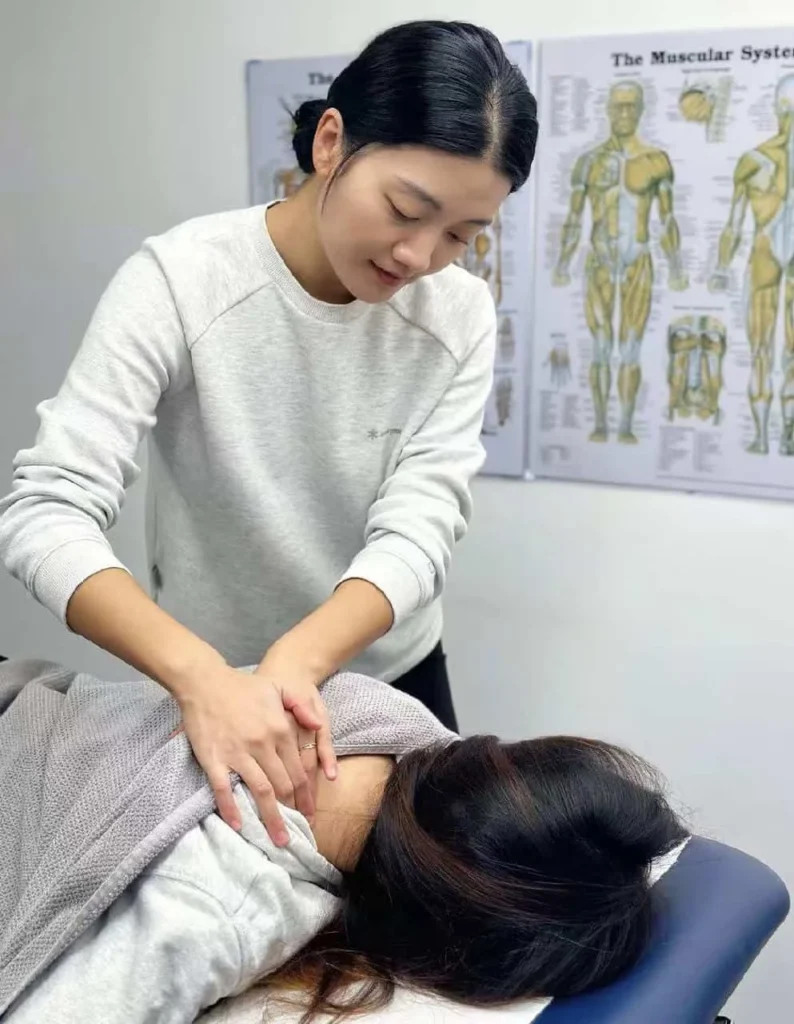
Soft manipulation of the muscles may assist in relieving pain and supporting greater ease of movement.

Exercise Programs

A tailored exercise programme may assist in building strength and improving flexibility.

Shockwave Therapy

Through the application of high-energy sound waves, shockwave therapy may help stimulate tissue repair and support recovery.

Therapeutic Ultrasound

Sound waves directed at the affected area may help support recovery and reduce inflammation.

Dry Needling

Dry needling involves the application of fine needles to targeted muscle points, which may help release muscle tension and assist in reducing pain.

Clinical Reformer Pilates

Clinical reformer pilates may help you work toward better movement patterns while supporting your recovery over the long term.

Women’s Health Physiotherapy for Every Chapter of Life

You do not have to accept back pain, bladder leakage or postnatal core weakness as a permanent part of life. If pelvic pain or pain during intercourse is affecting your daily routine or intimacy, a tailored assessment may help identify suitable support.

Every woman’s health experience is personal, and no two sets of symptoms are exactly alike. At DX Physio, our pelvic health physios shape women’s health physio care around your concerns, circumstances and goals, helping you work towards more comfortable, capable and confident movement.

How Pelvic Floor Physiotherapy Can Support Your Health

Women may come to see our pelvic floor physiotherapists for reasons that seem unrelated to the pelvis. Recurrent back or hip pain is one example, especially when previous attempts such as stretches, massage or general physiotherapy have provided limited results.

Pelvic floor function can affect more than bladder and bowel concerns. Following pregnancy, during menopause or after surgery, the pelvic muscles may become weaker, tighter or less coordinated, with possible effects on posture, balance and breathing. Assessing this area can give your physiotherapist useful information about your symptoms and help determine appropriate next steps.

Every woman’s health experience is personal, and no two sets of symptoms are exactly alike. At DX Physio, our pelvic health physios shape women’s health physio care around your concerns, circumstances and goals, helping you work towards more comfortable, capable and confident movement.

Pain doesn’t have to get in the way of living well.

Reach out to our physiotherapy team, and we’ll aim to help you find a way forward.

What to Expect With Personalised Physiotherapy

We’re here to make getting the care you need as simple as possible. Here’s how it works:

1. Contact and Assessment

Contact our team and we'll carefully review your personal history and assess your condition, helping us to potentially understand the underlying cause of your concern.

2. A Treatment Plan Built Around You

We'll work with you to create a personalised treatment plan that reflects your needs, goals, and lifestyle, and keep you informed with a realistic timeframe for your progress.

3. Guided Support Throughout Your Recovery

Our team will guide you through each stage of your treatment at a pace that works for you, offering tailored advice and education to support your recovery and help you work toward a more active life.

Physiotherapist Crows Nest

Your Crows Nest Physio Questions Answered

You do not need a referral to get started. You can book directly with our physiotherapists at any time.

First appointments are usually between 45 and 60 minutes in length. Follow-up sessions generally take between 30 and 45 minutes, depending on the nature of your treatment plan.

We recommend wearing comfortable clothing that allows for easy movement and access to the affected area. Activewear or loose-fitting clothes work well.

Yes. If you have extras cover that includes physiotherapy, you may claim a rebate on the spot via HICAPS at both our Cremorne and Balgowlah clinics.

Medicare CDM/EPC referrals from your GP are welcome at DX Physio. A valid referral may allow you to claim a Medicare rebate for up to five sessions per calendar year, though please note a small gap fee will still apply.

Yes. If shockwave therapy is recommended as part of your treatment, there is a $30 surcharge per session.

Yes, DX Physio accepts both workers’ compensation and CTP claims. Please have your claim number and relevant documentation ready to bring to your first appointment.

Name

It depends on your condition and goals. After your initial assessment, your physiotherapist will provide a tailored treatment plan and suggest a recommended visit frequency.

Manual therapy is included as part of your physiotherapy consultation when it is considered clinically necessary by your physiotherapist.

Fine needles are inserted into targeted muscle points during dry needling, which some individuals may find mildly uncomfortable. Your physiotherapist will monitor your comfort throughout the session and adjust as needed.

Our physiotherapists are experienced in assessing and managing a variety of sports and exercise-related injuries. Whether you compete at a high level or simply enjoy staying active, we’ll develop a personalised care plan designed to support your recovery and help you return to the activities you love.

Beyond managing existing injuries, physiotherapy may also play a valuable role in helping you understand how your body moves, supporting better posture, and improving movement efficiency. This approach may assist in reducing the likelihood of future injuries.

Physiotherapy isn’t only for when an injury occurs. Attending regular physiotherapy sessions may help support more efficient movement, assist in managing muscle tightness, and contribute to improved posture, helping you maintain a healthier and more active life long term.

Women’s health physio takes a broad approach to women’s pelvic and physical wellbeing. Care may relate to pregnancy, recovery after having a baby, menopause, pain or continence concerns, while pelvic health physiotherapists support women across Sydney from early motherhood through to later life.

Women’s health physio is the broader umbrella, while pelvic floor physiotherapy looks specifically at the muscles that support your bladder, bowel and pelvic organs. Women’s health appointments may involve some element of pelvic floor assessment, because those muscles influence so much of how your body moves.

At your initial visit, we will discuss your current concerns, relevant birth or surgical history, changes you have noticed and your health goals. This is followed by an assessment of how your body moves and functions, which helps guide an individualised care plan. Treatment only proceeds with your consent, and you can ask questions at any stage.

The first visit includes a detailed discussion about your symptoms, health history, any births or surgeries, what has changed and the outcomes you hope to work towards. We will assess movement and function, then talk through a plan tailored to your circumstances. Nothing will happen without your consent, and questions are welcome throughout the appointment.

Both may be available to you. If your GP has prepared a chronic condition management plan and referred you for physiotherapy, Medicare covers up to five allied health sessions per calendar year, shared across all allied health services on that plan — your GP will confirm whether you’re eligible. If you hold extras cover that includes physiotherapy, your health fund will usually cover a portion of each consultation, with the amount depending on your level of cover and any annual limits. It’s worth checking with your fund before your appointment.

Some of the common conditions treated by our physiotherapists include back and neck pain, sports injuries, joint pain, muscle strains, headaches, pelvic pain, pregnancy-related discomfort, postnatal recovery, bladder concerns, changes in bowel movements, incontinence, prolapse and rehabilitation following surgery or injury. Treatment is tailored to your symptoms, needs and individual goals.

A physiotherapy assessment can consider pelvic floor function, muscle tightness, coordination and the way you move when addressing urinary incontinence, bladder leakage or pelvic pain. Depending on your circumstances, care may include bladder habit education, pelvic floor exercises, breathing strategies and an individual exercise program.

If it is clinically appropriate, your physiotherapist may recommend a physical examination. An internal assessment is only undertaken with your informed consent. Physiotherapy may also support bowel symptoms, pain during intercourse and pelvic organ prolapse, with the approach shaped around your symptoms, goals and comfort.

A referral is generally not needed to make a physiotherapy appointment. Your care may involve information and advice, personalised exercises, movement guidance or manual therapy, depending on your concerns and goals. Some private health funds may offer rebates for physiotherapy, subject to your cover and annual limits, so please confirm your eligibility with your provider.

Physiotherapy isn’t only for when an injury occurs. Attending regular physiotherapy sessions may help support more efficient movement, assist in managing muscle tightness, and contribute to improved posture, helping you maintain a healthier and more active life long term.A physiotherapist guides each class through structured exercises that may support strength, mobility, balance and everyday movement. Sessions can be modified for different abilities, health needs and goals, helping you take part safely and with confidence.

The People Behind Your Care

Our team is genuinely committed to your care, bringing strong qualifications and extensive experience to support you at every stage of your journey.

Beverly Kang

Beverley Kang

Women’s Health Physio

Wendi Jin

Wendi Jin

Women's Health Physiotherapy

Joey Kwan

Joey Kwan

Women's Health Physiotherapy

Deman Xia

Deman Xia

Women's Health Physiotherapy

Laetitia

Laetitia Su

Physiotherapist

Irene

Irene M. Cerioli

Senior Physiotherapist

Find Your Physio Clinic Crows Nest

Searching for physiotherapy care that prioritises your needs? Our Cremorne and Balgowlah clinics are conveniently located and offer a warm, supportive environment where your health and well-being always come first.
Name
DX Physio clinic in Balgowlah and Cremorne Sydney offering physiotherapy services.
A dedicated physiotherapist supporting women’s health and pelvic floor health in Balgowlah & Cremorn.
Experienced physiotherapist with a focus on women's health, musculoskeletal, and sports injuries.
Deman Xia, physiotherapist in Balgowlah and Cremorne Sydney, providing expert women's health care.
Professional physiotherapist Joey Kwan in Sydney providing expert care and treatment.
Wendi Jin - Experienced Physiotherapist in Sydney.
Nafisa providing physiotherapy services at DX Physio in Balgowlah & Cremorne Sydney.