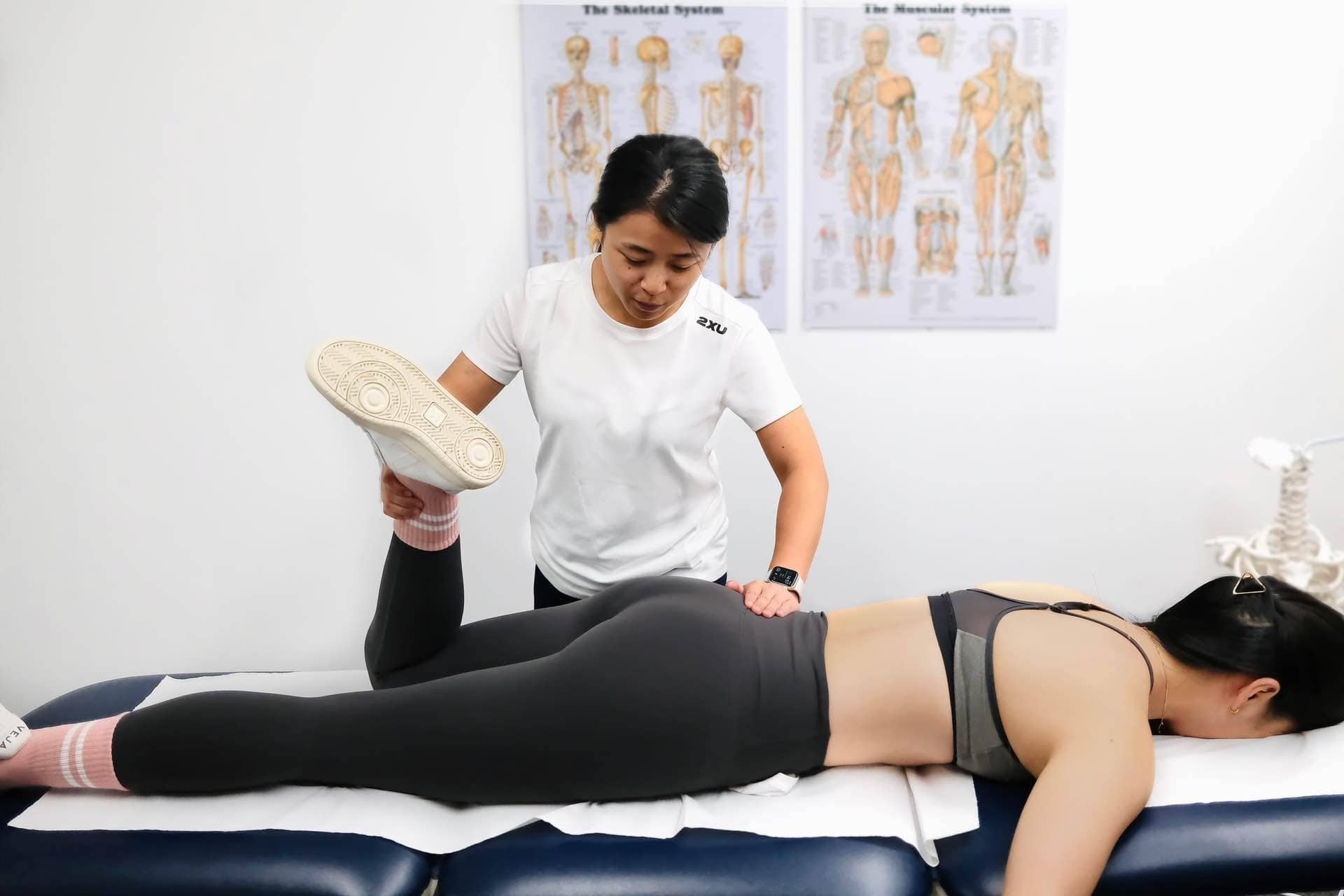
Individualised, evidence-based physiotherapy to support you at every stage of your health journey.


At DX Physio, we believe everyone deserves the opportunity to move with greater confidence and live with less pain. Physiotherapy focuses on how the body moves and functions, using manual techniques to support your overall health and well-being.
Whatever brings you through our doors, such as injury recovery, chronic pain management, or support from a women’s health physio near Manly Vale, our experienced physiotherapists are here to help.
DX PHYSIO provides physiotherapy care in Cremorne and Balgowlah, with a focus on Women’s Health and Musculoskeletal Physiotherapy. By combining these areas of care, we develop personalised treatment plans tailored to your individual needs, goals and circumstances.
By looking at how your body moves, your physiotherapist may identify the underlying cause of your concern and tailor a treatment plan to suit your goals and lifestyle.
Depending on your needs, treatments may include:
Soft manipulation of the muscles may assist in relieving pain and supporting greater ease of movement.
A personalised exercise programme designed around your needs may help you work toward greater strength and flexibility.
Through the application of high-energy sound waves, shockwave therapy may help stimulate tissue repair and support recovery.
Targeted sound waves applied to the affected area may assist in supporting recovery and managing inflammation.
Dry needling uses fine needles applied to targeted muscle points in an effort to release tight muscles and reduce pain.
Clinical reformer pilates may help improve movement patterns and support long-term recovery.
You do not have to accept back pain, bladder leakage or postnatal core weakness as a permanent part of life. If pelvic pain or pain during intercourse is affecting your daily routine or intimacy, a tailored assessment may help identify suitable support.
Women’s health can involve many different concerns, and the right support will look different for each person. The pelvic health physios at DX Physio provide tailored women’s health physio care based on what you are experiencing, supporting your strength, comfort and confidence as you move.
Women may come to see our pelvic floor physiotherapists for reasons that seem unrelated to the pelvis. Recurrent back or hip pain is one example, especially when previous attempts such as stretches, massage or general physiotherapy have provided limited results.
Pelvic floor function can affect more than bladder and bowel concerns. Following pregnancy, during menopause or after surgery, the pelvic muscles may become weaker, tighter or less coordinated, with possible effects on posture, balance and breathing. Assessing this area can give your physiotherapist useful information about your symptoms and help determine appropriate next steps.
Pain doesn’t have to hold you back.
Get in touch with our physiotherapy team and we’ll work with you on your journey to find a way forward.
Reach out to our team, and we'll review your personal history and assess your condition in an effort to identify the underlying cause of your concern.
We'll develop a personalised treatment plan designed around your individual needs, goals, and lifestyle, and provide you with a realistic timeframe for your care.
Our team will guide you through each stage of your treatment at a pace that works for you, offering tailored advice and education to support your recovery and help you work toward a more active life.

No referral is needed. You can book directly with our physiotherapists at any time.
First appointments are usually between 45 and 60 minutes in length. Follow-up sessions generally take between 30 and 45 minutes, depending on the nature of your treatment plan.
Please wear comfortable clothing that allows easy movement and access to the affected area. Activewear or loose-fitting clothes are ideal.
Should your extras cover include physiotherapy, you may claim a rebate immediately via HICAPS at either our Cremorne or Balgowlah clinic.
We do accept Medicare CDM/EPC referrals from your GP. With a valid referral, you may be eligible to claim a Medicare rebate for up to five sessions per calendar year. Please be aware that a small gap fee will still apply.
If shockwave therapy is recommended as part of your treatment plan, a $30 surcharge will apply per session.
Yes, DX Physio accepts both workers’ compensation and CTP claims. Please have your claim number and relevant documentation ready to bring to your first appointment.
It depends on your condition and goals. After your initial assessment, your physiotherapist will provide a tailored treatment plan and suggest a recommended visit frequency.
Yes. Hands-on (manual) therapy is included as part of your physiotherapy consultation if clinically required.
The dry needling process uses fine needles inserted into specific muscle points, and while some people may experience mild discomfort, your physiotherapist will check in with you throughout the session to help manage your comfort.
Our physiotherapists have experience in assessing and managing a broad range of sports and exercise-related injuries. Whether you are a competitive athlete or simply looking to stay active, we’ll collaborate with you to develop a personalised care plan to support your recovery.
Physiotherapy isn’t just about addressing current injuries. It may also help you gain a better understanding of your body, support improved posture, and encourage more efficient movement patterns, which may help in reducing the risk of future injuries.
Physiotherapy isn’t only for when something goes wrong. Regular physiotherapy may help you move more efficiently, manage muscle tightness, and improve posture, supporting a healthier, more active life long term.
Women’s health physiotherapy supports pelvic health and the physical changes associated with pregnancy, postnatal recovery and menopause. It can also address related pain and continence concerns. Our pelvic health physiotherapists work with women across Sydney through different stages of life, including first-time mums and women experiencing menopause.
Women’s health physiotherapy covers a wider range of concerns, including pregnancy, postnatal recovery, menopause, pelvic health and related pain or continence issues. Pelvic floor physiotherapy is more specifically centred on the muscles that support the bladder, bowel and pelvic organs. The two areas can overlap, so a women’s health appointment may include a pelvic floor assessment where it is relevant to your symptoms and goals.
At your initial visit, we will discuss your current concerns, relevant birth or surgical history, changes you have noticed and your health goals. This is followed by an assessment of how your body moves and functions, which helps guide an individualised care plan. Treatment only proceeds with your consent, and you can ask questions at any stage.
The first visit includes a detailed discussion about your symptoms, health history, any births or surgeries, what has changed and the outcomes you hope to work towards. We will assess movement and function, then talk through a plan tailored to your circumstances. Nothing will happen without your consent, and questions are welcome throughout the appointment.
Medicare support may apply when your GP creates a chronic condition management plan and refers you for physiotherapy. Eligible patients can access up to five allied health sessions per calendar year, shared between the allied health services listed on the plan. Your GP can confirm whether you qualify. If your private health fund extras policy includes physiotherapy, it may contribute towards each consultation, subject to your level of cover and annual limits. Contact your fund before attending to check what you can claim.
Some of the common conditions treated by our physiotherapists include back and neck pain, sports injuries, joint pain, muscle strains, headaches, pelvic pain, pregnancy-related discomfort, postnatal recovery, bladder concerns, changes in bowel movements, incontinence, prolapse and rehabilitation following surgery or injury. Treatment is tailored to your symptoms, needs and individual goals.
Physiotherapy may help manage bladder leakage, urinary incontinence and pelvic pain by assessing factors such as pelvic floor function, muscle tension, coordination and movement. Treatment may include pelvic floor muscle training, bladder habit education, breathing strategies and tailored exercises.
Depending on your circumstances, assessment may involve a physical examination. An internal assessment may be discussed where clinically appropriate, but it will only occur after you have given informed consent. Care may also address bowel symptoms, pain during intercourse and pelvic organ prolapse, with treatment tailored to what you need and feel comfortable with.

In most situations, you do not need a referral to book physiotherapy. The appointment may include practical advice, tailored exercise, movement approaches and hands-on treatment, based on your symptoms and aims. Depending on your level of private health fund cover, you may be able to claim a rebate, although annual limits and eligibility vary. Contact your provider to confirm what applies.
The potential benefits of physiotherapy extend beyond injury management. Regular physiotherapy may assist you in moving more efficiently, managing muscle tightness, and working toward better posture, all of which may support a healthier, more active lifestyle over time.Physiotherapist-led exercise classes offer supervised movement sessions focused on building strength, improving mobility, supporting balance and maintaining overall movement. Your exercises may be adapted to your current needs and goals, with ongoing guidance during the class.
Can regular physiotherapy help me stay active and healthy?We serve patients in Sydney from areas including:
Driven by a genuine commitment to your wellbeing, our qualified and experienced team is here to support you through every step of your care.
Services
Our Locations