Evidence-based, personalised care designed to help you move better and live well.
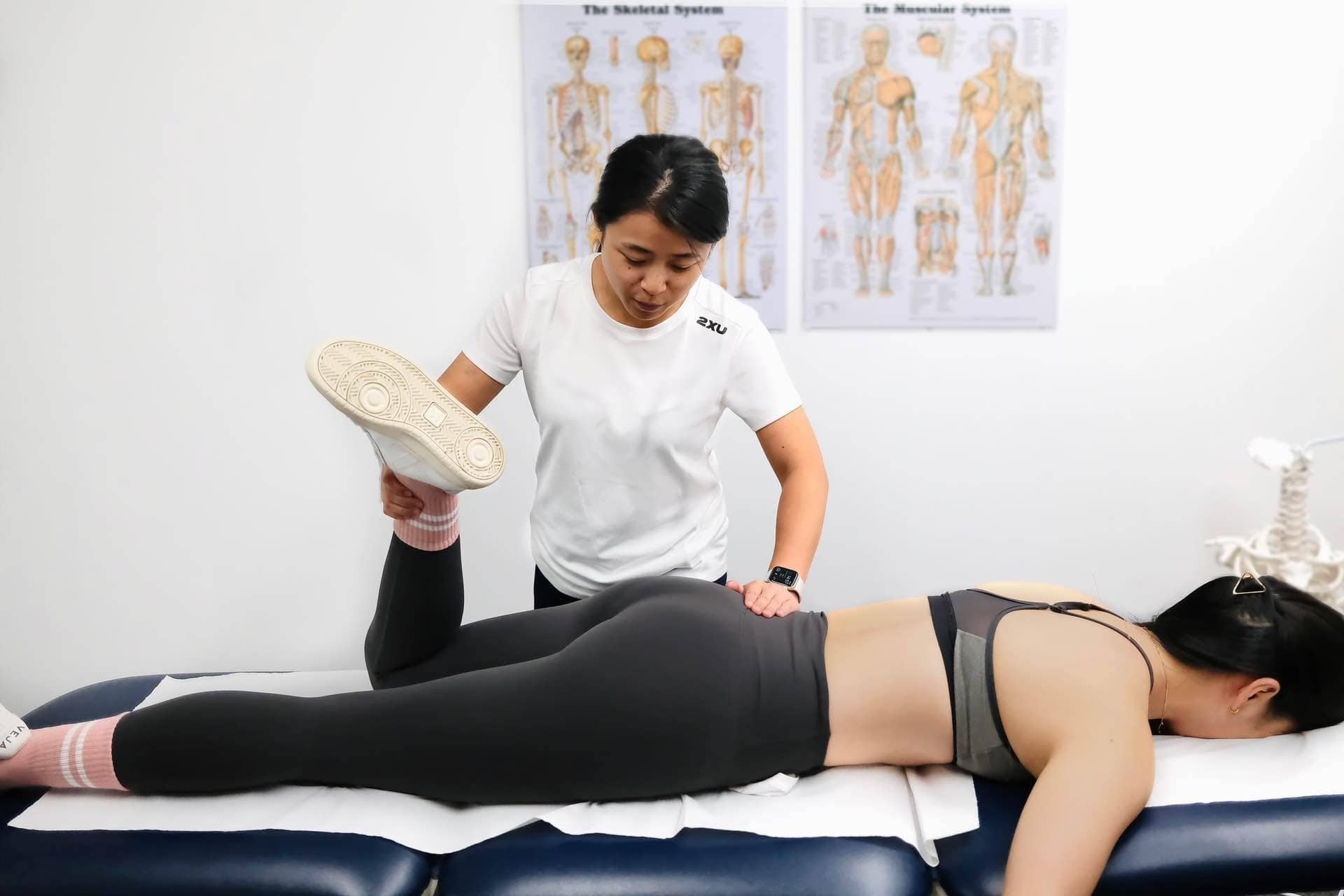
At DX Physio, we are committed to helping you move better and feel more comfortable in your body. Physiotherapy looks at how the body moves and functions, drawing on manual techniques to support your overall health.
Whether you’re recovering from an injury, managing chronic pain, or looking for a women’s health physio near Cammeray, our experienced physiotherapists are here to help.
With clinics in Cremorne and Balgowlah, DX PHYSIO provides Women’s Health and Musculoskeletal Physiotherapy for a range of concerns. Treatment plans are tailored to each person, with care designed around their individual needs and goals.
By assessing how your body moves, your physiotherapist may be able to identify the underlying cause of your concern and develop a treatment plan tailored to your goals and lifestyle.
Treatments may include:
Soft manipulation of the muscles may assist in relieving pain and supporting greater ease of movement.
An individualised exercise programme may help support the development of strength and flexibility over time.
Using high-energy sound waves shockwave therapy may help stimulate tissue and support the recovery process.
By directing sound waves at the affected area, therapeutic ultrasound may help support the recovery process and assist in reducing inflammation.
Using fine needles applied to targeted muscle points, dry needling may help address muscle tightness and assist in managing pain.
Clinical reformer pilates may help improve movement patterns and support long-term recovery.
Whether it’s back pain, bladder leaks or core weakness that has stayed with you since giving birth, or pelvic pain and pain during sex that’s affecting both your daily life and your intimacy, these aren’t things you should just have to learn to live with.
Women’s health is complex and deeply personal, and it’s different for everyone. Our experienced pelvic health physios at DX Physio tailor your women’s health physio care to what you’re going through, with one aim in mind: getting you moving with confidence, strength and comfort.
Pelvic floor physiotherapy is not only for women with obvious pelvic symptoms. Some women seek support after persistent back or hip pain continues despite trying stretches, massage or general physiotherapy, with symptoms that repeatedly return.
The pelvic region can be an important part of the picture, even when your main concern is back or hip pain. Pregnancy, menopause and surgery may contribute to pelvic muscles becoming weak, tight or unbalanced, which can influence posture, stability and breathing. A pelvic floor assessment may help identify whether these muscles are contributing to your symptoms and guide an individualised care plan.
Pain doesn’t have to get in the way of living well.
Contact our physiotherapy team today and we’ll help you explore your options and look for a path forward.
Reach out to our team, and we'll review your personal history and assess your condition in an effort to identify the underlying cause of your concern.
We'll work with you to create a personalised treatment plan that reflects your needs, goals, and lifestyle, and keep you informed with a realistic timeframe for your progress.
We'll work with you through each stage of your treatment at your pace, with tailored advice and education to support your recovery and potentially help you get back to an active life.
You do not need a referral to get started. You can book directly with our physiotherapists at any time.
Initial consultations typically run for 45 to 60 minutes, while follow-up sessions are usually between 30 and 45 minutes, depending on your individual treatment needs.
We suggest wearing comfortable, loose-fitting clothing or activewear that allows for easy movement and access to the area being assessed or treated.
If physiotherapy is included in your extras cover, you may be eligible to claim a rebate on the spot through HICAPS at our Cremorne and Balgowlah clinics.
Yes. We accept Medicare CDM/EPC referrals from your GP. With a valid referral, you may claim a Medicare rebate for up to five sessions per calendar year. Please note there will still be a small gap fee.
Where shockwave therapy is recommended as part of your care, a $30 surcharge per session will be applied.
Yes. We accept both workers’ compensation and CTP claims. Please bring your claim number and relevant documentation to your first appointment.
The frequency of your visits will depend on your condition and goals. Following your initial assessment, your physiotherapist will provide a tailored treatment plan that includes a recommended visit schedule.
Yes. Hands-on (manual) therapy is included as part of your physiotherapy consultation if clinically required.
Dry needling involves the insertion of fine needles into targeted muscle points, which some people may find mildly uncomfortable. Your physiotherapist will check in with you regularly throughout the session to help ensure you remain as comfortable as possible.
At DX Physio, our physiotherapists have experience assessing and managing a wide range of sports and exercise-related injuries. Whether you’re an elite athlete or simply looking to stay active, we’ll work with you to create a personalised care plan to support your recovery.
Beyond managing existing injuries, physiotherapy may also play a valuable role in helping you understand how your body moves, supporting better posture, and improving movement efficiency. This approach may assist in reducing the likelihood of future injuries.
The potential benefits of physiotherapy extend beyond injury management. Regular physiotherapy may assist you in moving more efficiently, managing muscle tightness, and working toward better posture, all of which may support a healthier, more active lifestyle over time.
Women’s health physio takes a broad approach to women’s pelvic and physical wellbeing. Care may relate to pregnancy, recovery after having a baby, menopause, pain or continence concerns, while pelvic health physiotherapists support women across Sydney from early motherhood through to later life.
The main distinction is the scope of care. Women’s health physiotherapy can support women with concerns related to pregnancy, postnatal recovery, menopause, pelvic health, pain and continence, while pelvic floor physiotherapy concentrates on the muscles supporting the bladder, bowel and pelvic organs. Because these areas are connected, your women’s health appointment may include pelvic floor assessment if it suits your needs and you have given consent.
We’ll take a detailed history including your symptoms, your birth or surgical history, what’s changed and when, and talk through your health goals. From there we’ll assess how your body is moving and functioning, and build a plan around your specific needs. Nothing happens without your consent, and you’re welcome to ask questions at any point.
If you have a chronic condition management plan from your GP, Medicare may cover up to five allied health sessions each calendar year when you are referred for physiotherapy. The five sessions are a combined allowance across the allied health services under that plan, and your GP will advise whether you meet the eligibility requirements. A private health fund may also contribute if physiotherapy is included in your extras cover. The contribution varies according to your cover and annual limits, so confirm the details with your fund before your appointment.
Some of the common conditions treated by our physiotherapists include back and neck pain, sports injuries, joint pain, muscle strains, headaches, pelvic pain, pregnancy-related discomfort, postnatal recovery, bladder concerns, changes in bowel movements, incontinence, prolapse and rehabilitation following surgery or injury. Treatment is tailored to your symptoms, needs and individual goals.
Physiotherapy may support people experiencing bladder leakage, urinary incontinence or pelvic pain through an assessment of pelvic floor control, muscle tension and movement patterns. Your plan may include training for the pelvic floor muscles, advice on bladder routines, breathing work and tailored exercises.
Where clinically appropriate, an assessment may also include a physical examination and, with your informed consent, an internal assessment. Physiotherapy may support related concerns such as bowel symptoms, pain during intercourse and pelvic organ prolapse, with care tailored to your symptoms, goals and comfort.

You can usually arrange to see a physiotherapist without a referral from another health professional. After discussing your needs, treatment might include education, individually selected exercises, movement strategies and manual therapy. Private health fund extras cover may contribute to the consultation if physiotherapy is included in your policy. Check the details with your fund before booking.
Physiotherapy is not just for when something goes wrong. Regular physiotherapy sessions may help you move more efficiently, manage muscle tightness, and support improved posture, contributing to a healthier and more active life over the long term.A physiotherapist guides each class through structured exercises that may support strength, mobility, balance and everyday movement. Sessions can be modified for different abilities, health needs and goals, helping you take part safely and with confidence.
May physiotherapy support a healthy and active lifestyle?We provide services to patients in Sydney from areas including:
Our team’s genuine dedication to your care is backed by strong qualifications and extensive experience, ensuring you feel supported at every stage of your treatment.
Services
Our Locations