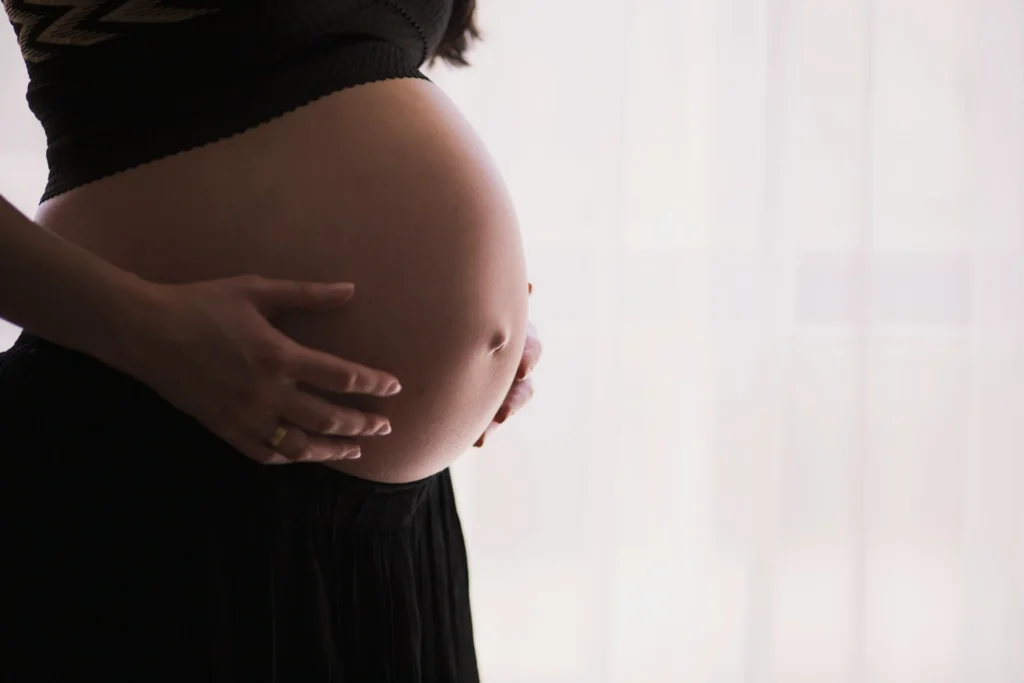
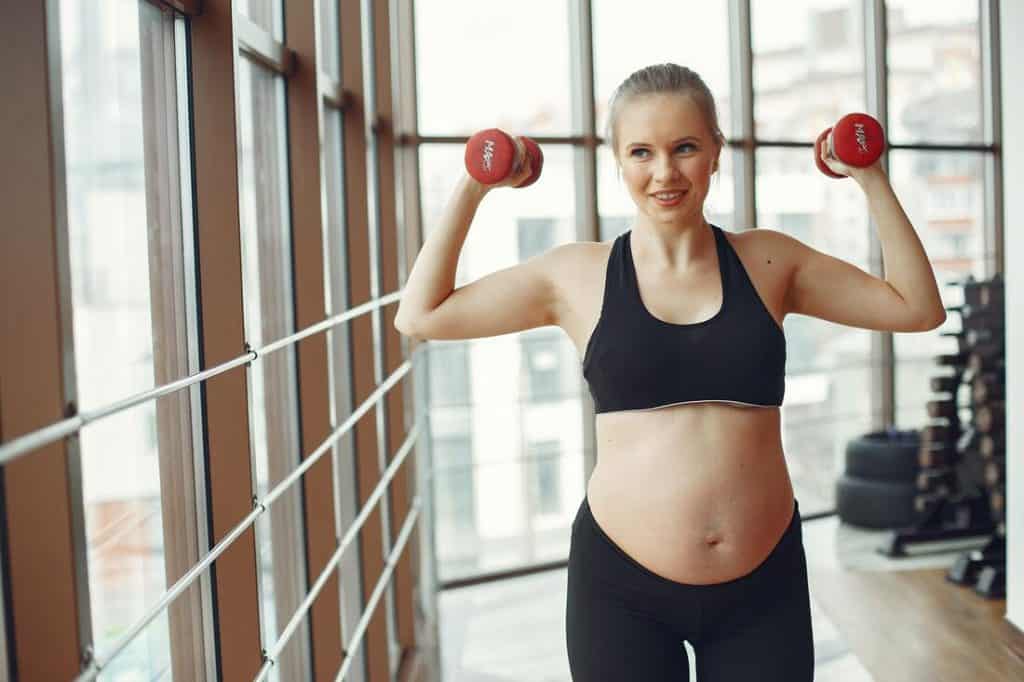
Pregnancy is a very exciting time for most women, but with it comes a lot of physical, biological and psychological changes. As the pregnancy progresses, even your body’s centre of gravity (COG) changes and does so constantly as you grow. Your COG gradually starts shifting up and forward as your uterus enlarges and this can cause you to feel less coordinated and challenge your ability to maintain your balance.
There is also an increase of pressure around your abdomen and an increased level of a hormone called relaxin which loosens your muscles, joints and ligaments to accommodate for the growing baby bump and prepare your body for birth.
These are just a few of the changes a pregnant woman will experience. And while these changes are beneficial and necessary, with them comes the need to adjust how you exercise to keep you and your baby safe.
Throughout your pregnancy, you will want to avoid certain exercises like full sit-ups and double leg lifts as these can put more pressure and pull on the abdomen. This then can contribute to Diastasis and other musculoskeletal issues during your pregnancy. You will also want to avoid excessive twisting, or weighted rotations, or movements that involve bending backwards, or compressing your abdomen.
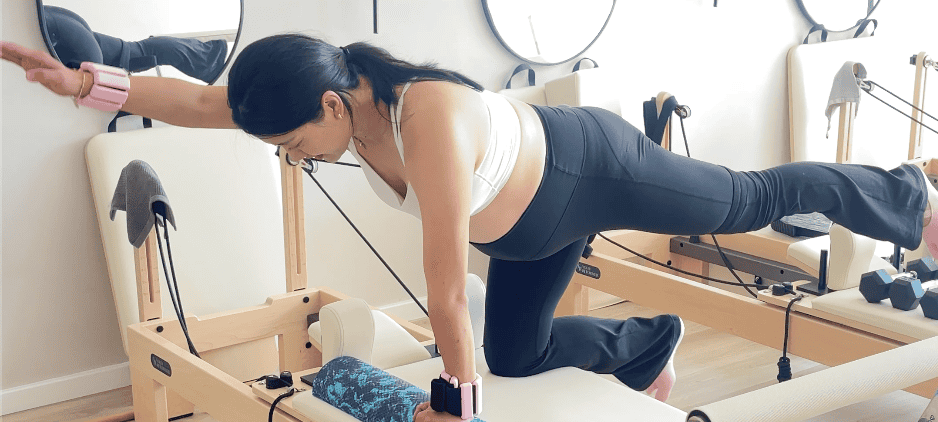
After the first trimester, you will also want to avoid any exercises that involve lying face-up on your back or laying on your back in general for extended periods of time. Doing so can put too much pressure on the vena cava, the vein that carries blood to your heart, and affect the flow of oxygen to you and your baby. To avoid laying flat on your back, you can alter the exercise by propping up your upper back so that your heart is above your belly button with a towel, pillow, pilates ball, swiss ball or with your forearms for example. Or you can perform alternative exercises that work the same muscle groups but in differing position.
Exercises to avoid during pregnancy
- Activities and Exercises/sports with a high risk of falling or abdominal injury, e.g. downhill skiing, surfing, snowboarding, gymnastics, ice-skating, contact sports, horseback riding, outdoor cycling, diving etc
- Exercises that involve lying flat on your back for extended periods of time after the fourth month of pregnancy as the weight of your growing uterus, and baby, can compress major blood vessels and restrict circulation to you and your baby.
- Certain abdominal exercises, like full sit-ups or double leg lifts, or any movement that can excessively pull, twist, bend and compress the abdomen.
- Exercise in extreme temperatures, especially heat. Exercise in environments that raises your body temperature too much should be avoided, like exercising outside on hot summer days, or hot yoga etc.
- Holding your breath/Valsalva Manoeuvre is never recommended during pregnancy. Both you and your baby need a constant and good flow of oxygen.
Before starting any new exercise regimes when pregnant, it’s best to consult your doctor or Women’s Health Physio prior to beginning to ensure you do not have any contraindications to exercise.
If you experience any of the below symptoms when exercising, stop immediately and contact your doctor/practitioner:
- Unusual pain that doesn’t subside (hips, back, pelvis, chest, head, neck, arm etc)
- A cramp or stitch that doesn’t go away when you stop exercising
- Regular, painful uterine contractions
- Chest pain
- Calf pain that remains or calf swelling
- Light-headedness or dizziness that doesn’t subside quickly
- Very rapid heartbeat
- Severe breathlessness
- Difficulty walking
- Loss of muscle control
- Sudden headache
- Increased swelling
- Amniotic fluid leakage
- Vaginal bleeding
- A noticeable decrease or absence of usual fetal movement
If you are unsure on how to start exercising during your pregnancy or would like to increase your confidence and work with a trained pre and post-natal specialist, contact us today.