It happens at 3am. You’re finally, blissfully asleep, and then your calf seizes like it’s been grabbed by an invisible vice. You jolt upright, unsure whether to point your toes or pull them back, half-asleep and fully panicked. Within seconds you’re convinced something is very wrong. Then, as quickly as it came, it eases. You lie back down, heart thumping, and wonder if this is just going to be your life now.
Muscle cramps when pregnant are one of the most common discomforts of the second and third trimester, and one of the least helpfully explained. Most advice amounts to “try stretching and stay hydrated,” which is a bit like telling someone with a migraine to drink some water. The discomfort is real, the sleep disruption is measurable, and you deserve more than a vague shrug. This guide draws on clinical experience in women’s health physiotherapy and covers the actual causes, what works in the moment, what works over time, and what signals mean it’s time to stop self-managing.
Why your legs cramp so much during pregnancy
Your body is doing something extraordinary right now. It’s building another human being while also managing your circulation, your joints, your posture, and your sleep. Cramping is one of the side effects of that remarkable workload, and understanding why it happens makes it feel far less alarming.
What’s happening to your circulation
As your uterus grows, it presses on the blood vessels in your pelvis and legs, slowing the return of blood back up toward your heart. Your total blood volume has also increased significantly during pregnancy. That slower venous return means your legs are carrying more blood with less efficiency. When you’re lying still at night, your calf muscles no longer help pump that blood upward, and the result is muscles that are under-perfused, irritable, and prone to cramping. This is mechanical, not mysterious, and it explains why muscle cramps when pregnant tend to peak in the third trimester.
Electrolytes, minerals and the nutrient demand shift
Pregnancy increases your body’s demand for calcium and magnesium, both of which play a role in how muscles contract and release. When these minerals are lower than optimal, muscles become more excitable and more likely to cramp. Dehydration compounds this effect significantly. Not drinking enough fluid thickens the blood slightly and throws off the electrolyte balance that keeps muscles functioning smoothly, which is why hydration and nutrition are always part of the conversation around pregnancy cramps.
Posture changes, extra load and fatigue
Your centre of gravity has shifted forward, your joints have loosened thanks to the hormone relaxin, and you’re carrying extra weight with every step. Your calf and foot muscles absorb a disproportionate share of that daily load. By the time you lie down at night, those muscles are genuinely fatigued, and that’s precisely when nocturnal leg cramps tend to strike. The muscles have been working hard all day and are less tolerant of the slightest circulatory disruption once you stop moving.
What to do when muscle cramps strike at night while pregnant
You don’t need to wait for it to pass. There are specific actions that stop a cramp faster, and doing the wrong thing, instinctively pointing your toes, will make it significantly worse. Here’s the sequence that works.
The dorsiflexion technique: the most important one
The moment a cramp strikes, follow these steps:
- Straighten the leg as much as you can.
- Pull your toes firmly up toward your shin and hold that position.
- Hold for 20 to 60 seconds, breathing through it.
- If you can safely stand, put weight through the leg to accelerate relief.
This works because it mechanically lengthens the gastrocnemius, the large calf muscle responsible for the cramp. Pulling the toes upward puts the muscle on a stretch and interrupts the spasm. The single most important thing to avoid is pointing your toes downward, which shortens the muscle further and intensifies the cramp. It’s the most common instinctive mistake people make at 3am.
Massage and heat as follow-up
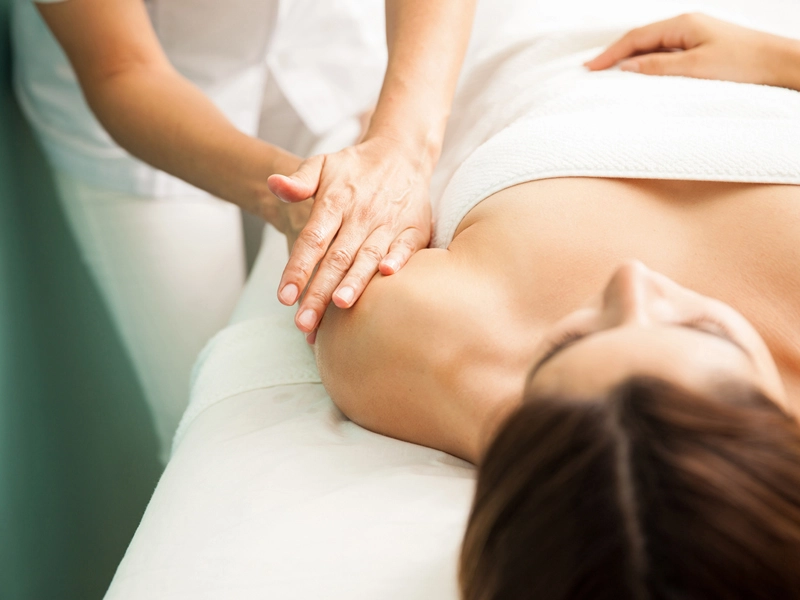
Once the acute cramp releases, gently massage the calf to help the muscle fully let go. Use firm, slow strokes up toward the knee. If the calf remains sore afterward, a warm towel or a few minutes in a warm shower will help the muscle relax fully. Cold packs are a valid secondary option if the area stays tender rather than tight; they work more on pain than on the cramp itself. The full sequence is straightforward: stretch first, then massage, then heat. Following all three steps consistently reduces the likelihood of the cramp recurring shortly after.
Preventing muscle cramps when pregnant: a nightly stretch routine
If the moment-of-crisis response is your emergency toolkit, the nightly stretch routine is your prevention strategy. Australian maternity guidelines list calf stretching before bed among the most supported non-drug measures for reducing nocturnal leg cramps, and regular stretching has better evidence behind it than commonly used supplements such as magnesium or calcium. The good news: it takes under five minutes.
Standing wall calf stretch (gastrocnemius)
- Stand an arm’s length from a wall, hands flat against it.
- Step one foot back, keeping the back heel firmly on the floor.
- Keep the back knee straight and bend the front knee.
- Lean forward gently until you feel the stretch in the back calf.
- Hold for 30 seconds, then switch sides. Aim for 3 rounds each leg.
Keep your back straight, your hips facing forward, and never force the movement. The heel staying down is non-negotiable; lifting it removes the stretch entirely. This is a gentle pull, not a pain threshold to push through.
Bent-knee stretch for the deeper calf (soleus)
Start in the same wall-stretch position, then slightly bend the back knee while keeping the heel flat on the floor. Leaning forward with the knee bent targets the soleus, the smaller, deeper muscle that sits beneath the gastrocnemius and is often the source of lower calf cramping. Hold 10 to 30 seconds per side. If your cramps tend to originate lower in the calf or closer to the ankle, this variation is especially worth including.
Making it a habit that actually sticks
The research on pregnancy cramp prevention shows that consistency across several nights is what reduces frequency, not a single stretch session. Anchor this routine to something you already do: stretch while you brush your teeth, or while your phone charges before bed. Pairing a new habit with an existing one removes the decision-making. A couple of weeks of nightly stretching will give you a clearer picture of whether it’s working than any supplement ever will.
Hydration, sleep position and the honest truth about supplements
How much water actually makes a difference
Australian dietary guidelines recommend that pregnant women aged 19 to 50 aim for around 2.3 litres of fluid per day from drinks, with total water intake (including water from food) reaching approximately 3.1 litres. Plain water is the primary recommendation. Caffeine acts as a mild diuretic, and hot weather increases your fluid losses further, so on warm days or after exercise, your needs are higher. Spreading your fluid intake steadily across the day is more practical than loading up in the evening, which can disrupt sleep and doesn’t meaningfully improve overnight muscle function.
Sleep positioning and circulation through the night
Sleeping on your left side reduces compression on the inferior vena cava, the large vein that returns blood from the lower body to your heart. Better venous return means less blood pooling in the legs overnight and a lower likelihood of cramping. Placing a pillow between your knees keeps your hips aligned and reduces tension through the pelvis and lower limbs. Avoiding crossed legs during the day also supports circulation; it’s a small habit that adds up across a full pregnancy.
The honest truth about magnesium
Many pregnant women try magnesium supplements for leg cramps, often after a friend recommends them. Here’s what the evidence actually shows: the Cochrane review on leg cramps in pregnancy found that magnesium supplementation did not consistently reduce cramp frequency or intensity, and the certainty of evidence was low. Updated reviews have reached similar conclusions. Magnesium is generally well tolerated at usual doses and isn’t harmful, but it’s not a reliable fix, and high doses can cause diarrhoea or, in people with kidney problems, more serious effects. The same picture applies to calcium supplements, where evidence is similarly weak and inconsistent. A balanced diet rich in leafy greens, nuts, seeds, dairy, and legumes remains the best foundation, and if you’re curious about supplementation, have that conversation with your GP or midwife rather than self-prescribing.
Gentle movement and Reformer Pilates for pregnancy cramp relief
Stretching before bed sets you up for a better night, but building movement into your days matters just as much. Circulation is the underlying driver of pregnancy leg cramps, and consistent movement is its most reliable ally. Australian physical activity guidelines for pregnancy also recommend staying active on most days and breaking up long periods of sitting.
Daytime habits that keep blood moving
If you work at a desk or spend long periods seated, ankle circles and calf pumps done while sitting are genuinely useful. They activate the muscle pump in the calf without requiring you to stand up or change what you’re doing. Brief walks every hour, even just around the office, prevent the circulation stagnation that leads to fatigued, cramp-prone muscles by evening. Avoiding prolonged standing in one position matters equally; shifting weight regularly and taking movement breaks is the goal.
How prenatal Reformer Pilates supports your legs and circulation
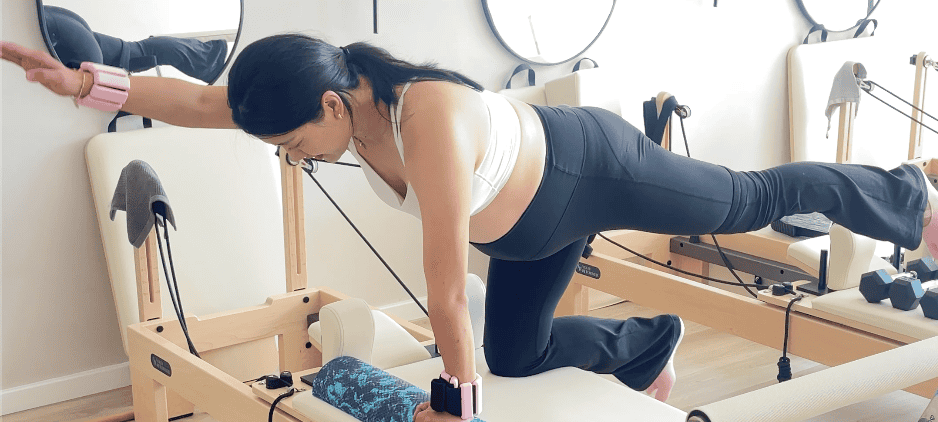
Physio-led Reformer Pilates, adapted for each stage of pregnancy, is one of the more targeted movement options available to pregnant women. The controlled, low-impact resistance work on the reformer activates the calf and lower limb muscles repeatedly, which supports venous return and can reduce the lower leg swelling that contributes to cramping. Research into Reformer Pilates during pregnancy has found significant reductions in calf circumference, attributed to improved venous and lymphatic circulation from muscle activation. At DX Physio’s Balgowlah and Cremorne clinics, women’s health physiotherapists design prenatal programmes that address the specific postural shifts, joint changes, and circulatory challenges of each trimester. This isn’t generic exercise adapted loosely for pregnancy; it’s targeted, supervised, and built around your body at this specific stage of pregnancy.
When to stop self-managing and get a proper assessment
Most pregnancy muscle cramps are completely normal. They’re disruptive and frustrating, but they’re not dangerous. A handful of symptoms, however, cross a clear line and warrant prompt attention rather than a wait-and-see approach.
Red flags that aren’t a standard cramp
Seek same-day assessment if you notice any of the following:
- One-sided calf pain with swelling, warmth, or redness (these are possible signs of adeep vein thrombosis, which is more common in pregnancy
- Pain that remains constant rather than resolving within a few minutes
- Cramps accompanied by numbness or weakness in the leg
- Cramps that don’t ease with stretching at all
- Severe cramps that are getting worse week by week rather than staying consistent
- Shortness of breath or chest pain alongside leg symptoms (seek emergency care immediately)
A normal pregnancy cramp is brief, intense, resolves with stretching, and leaves no lasting swelling or discolouration. Anything that doesn’t fit that pattern deserves professional assessment, not reassurance from a blog post.
What a women’s health physio can do for you
An assessment with a women’s health physiotherapist covers more than stretching advice. The physiotherapist will look at your movement and posture, assess whether the cramping has a musculoskeletal or nerve-related component, and build a prenatal exercise plan that’s specific to your stage of pregnancy and your body. For many women, understanding the mechanical driver of their cramps changes how they manage them entirely. If you’re dealing with muscle cramps when pregnant that are frequent, severe, or not responding to the strategies in this guide, booking a one-on-one assessment is a sensible next step, not a last resort. The team at DX Physio’s Balgowlah and Cremorne clinics work with pregnant women regularly and can help you put together a plan that actually fits your stage of pregnancy.
Small changes tonight, better sleep this week
Here’s the practical hierarchy worth returning to. When a cramp wakes you, dorsiflex immediately: toes up toward the shin, hold for 20 to 60 seconds, then follow with massage and heat. In the longer term, a five-minute nightly calf stretch routine is the single most supported prevention habit you can build. Pair it with consistent hydration throughout the day, left-side sleeping with a pillow between your knees, and regular movement during waking hours.
On supplements: be sceptical of magnesium and calcium as reliable fixes, and talk to your clinician before adding either at high doses. The evidence simply isn’t strong enough to recommend them ahead of the movement and lifestyle strategies that consistently appear in Australian maternity guidance.
Muscle cramps when pregnant are genuinely disruptive, and the good news is that practical, evidence-based strategies can make a real difference before birth. Start with the nightly stretch, get your fluids right, and if anything about your cramps doesn’t feel right, reach out to the team at DX Physio. Many women find significant improvement well before their due date. You don’t have to just live with it.