
Urinary incontinence affects many women at different stages of life. It can feel embarrassing, stressful, and confusing. Some women leak a few drops. Others feel a strong urge and cannot reach the toilet in time. Many think the problem is permanent or linked only to age. But this is not true. One effective and gentle treatment option is Pelvic Floor Physio. Pelvic Floor Physio focuses on how the pelvic floor muscles support the bladder and control urine flow. It is a natural way to manage incontinence without surgery or medication.
This article explains what urinary incontinence is, the types of incontinence, how Pelvic Floor Physio works, and what results you can expect. The goal is to give you clear, simple information so you feel confident exploring treatment options.
Understanding Urinary Incontinence
Urinary incontinence means leaking urine when you do not want to. It is common, but it is not normal. Many women experience it during pregnancy, after childbirth, during menopause, or as they get older. Some women also develop symptoms because of long hours of sitting, high-impact exercise, constipation, or chronic coughing.
There are three main types of urinary incontinence. Knowing the type helps guide treatment.

Stress incontinence
Stress incontinence happens when pressure is placed on the bladder.
You may leak when you cough, sneeze, laugh, run, jump, or lift something heavy.
The main cause is weak pelvic floor muscles that cannot support the bladder and urethra well.
Pregnancy, childbirth, and hormonal changes often contribute to this weakness.
Urge incontinence
Urge incontinence involves a sudden, strong need to urinate.
Women may feel like the bladder is “in charge” and may not reach the bathroom in time.
This type is often linked to overactive bladder signals, bladder irritation, or changes in nerve function.
It may also happen with certain foods, drinks, or stress.
Overflow incontinence
Overflow incontinence happens when the bladder does not empty fully.
Small leaks or dribbles occur throughout the day because the bladder remains too full.
This can be due to blocked urine flow, weak bladder contractions, or habitually holding urine for too long.
Women may feel like their bladder is never truly empty.
Why do these problems develop?
The pelvic floor muscles sit under the bladder and act like a supportive hammock. When these muscles weaken, tighten too much, or stop coordinating well with breathing and posture, leaks can occur. Hormones, childbirth, surgery, constipation, high-impact exercise, and ageing all influence how the pelvic floor works.

How does this affect daily life?
Incontinence affects far more than the bladder.
It can change how women move, exercise, travel, or even laugh.
Some avoid running, dancing, or jumping. Others limit outings because they do not want to look for bathrooms.
Confidence, comfort, and social life can all be affected.
But the important point is this: incontinence can improve.
Pelvic Floor Physio is one of the best ways to retrain the muscles and regain control.
How Pelvic Floor Physio Works to Restore Control
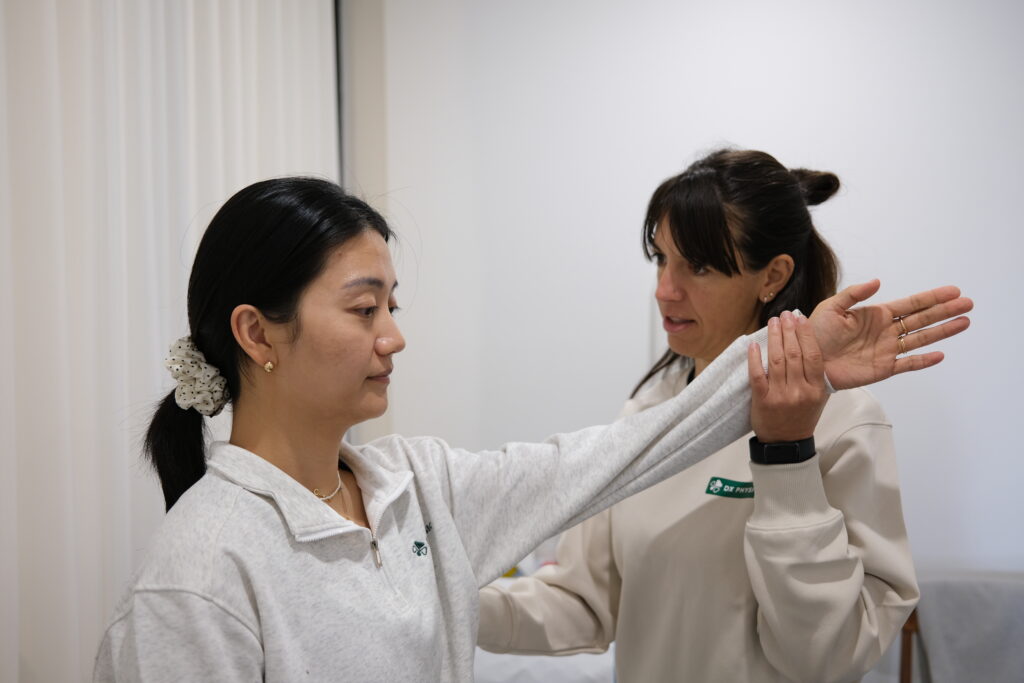
Pelvic Floor Physio helps the bladder and pelvic muscles work together again. The treatment starts with an assessment. The physiotherapist checks how strong the muscles are, how they relax, and how they coordinate with breathing and movement. Some women have weak muscles. Some have tight muscles. Others do not activate the right muscles at the right time. The assessment helps identify the true cause of leakage.

Pelvic Floor Physio may include:
- Learning how to activate pelvic floor muscles correctly
- Improving strength and endurance
- Relaxation techniques for tight muscles
- Training the timing of muscle activation during movement
- Bladder training strategies
- Posture and core support exercises
- Daily habits that reduce pressure on the bladder
The goal is not just strength. The goal is better control.
Your muscles learn to work when you cough, lift, or run.
They also learn to relax when urgency appears, which helps calm overactive bladder signals.
At DX Physio Balgowlah Sydney, women receive personalised assessments and gentle, evidence-based pelvic floor treatments. Women’s health physiotherapists guide you through each step, explain what your body needs, and create a simple, supportive plan. The environment is private, calm, and designed to help women feel comfortable and understood.
Pelvic Floor Physio is a safe and natural option, especially for women who want real improvement without surgery.

Realistic Expectations and Timeframe for Results
Most women want to know how long recovery will take. The answer depends on the type of incontinence, how long symptoms have been present, and how consistently exercises are done. Pelvic floor muscles work like any other muscle group. They improve with repetition and time.
Many women see improvement in 3–6 weeks.
They may leak less, feel more control, and notice fewer urges.
More significant changes usually appear in 8–12 weeks.
Strength, coordination, and bladder habits improve with steady practice.
Full results often take 3–6 months.
This timeline may seem slow, but small changes build strong long-term outcomes.

What improvements can you expect?
- Better awareness of pelvic floor muscles
- Improved bladder control
- Fewer leaks during movement
- Less urgency
- Stronger core support
- Better posture
- More confidence in daily activities
Progress is not always linear. Some days feel better. Some days feel worse. This is normal. Muscle learning takes time. The key is consistency, patience, and trust in the process.
Lifestyle changes support recovery too.
Staying hydrated, avoiding bladder irritants, managing constipation, and practising good toilet habits can make a big difference.
Small daily habits help the bladder reset and work more efficiently.
Recovery is personal. Each woman’s body responds at its own pace. But improvement is possible at any age, even after years of symptoms.
Conclusion
Urinary incontinence is common, but it does not have to be a permanent problem. Many women feel limited by leaks, urgency, or fear of losing control. But there are safe and effective ways to treat incontinence without surgery. Pelvic Floor Physio helps the pelvic muscles work better, retrains the bladder, and supports long-term confidence.

With a clear understanding of the type of incontinence you have, simple exercises, and steady practice, real improvement is possible. You can return to daily activities, exercise, social events, and laughter without worry. Pelvic Floor Physio offers a natural and empowering path toward better bladder health and improved quality of life.
See also: Pelvic Floor Physio vs Kegel Exercises — What’s the Difference?