
Many women hear about Kegel exercises, but not everyone knows how they compare to Pelvic Floor Physio. These two approaches both focus on the pelvic floor muscles. But they work in different ways and help in different situations. This article explains the difference in a simple and practical way.
Pelvic Floor Physio gives women guided treatment that is based on assessment, technique correction, and personalised plans. Kegel exercises are self-directed. They can help some women, but not all. Many women do them incorrectly without realising it. When this happens, results are slow or do not appear.
In this article, you will learn what Kegel exercises are, what Pelvic Floor Physio involves, and when you may need both. The goal is to help you understand your body better. With clear information, you can choose the right support for long-term pelvic health.
What Are Kegel Exercises
Kegel exercises are simple muscle contractions. They target the pelvic floor muscles. These muscles support the bladder, uterus, and bowel. When they are strong, they help with bladder control, stability, and sexual function. When they are weak, women may notice symptoms like leaking, heaviness, or discomfort.
Kegel exercises ask you to tighten and lift the pelvic floor muscles. You hold the contraction for a few seconds, then relax. You repeat this several times a day. In theory, this sounds easy. But in real life, many women struggle to find the correct muscles. Some squeeze their glutes. Some tense their inner thighs. Others hold their breath. These patterns reduce the benefits of the exercise.

Another issue is that some women have pelvic floor muscles that are too tight instead of too weak. If they do Kegels without understanding this, their symptoms may get worse. Kegels are not helpful for everyone. They mainly help women who have true pelvic floor weakness. They are less effective for women with tension, pain, or miscoordination.
Kegels can also feel repetitive and confusing. Many women are unsure if they are doing them correctly. They may stop after a short time. They may not feel progress. Without guidance and feedback, Kegel exercises often remain a guess.
Even so, Kegels do have value. They are easy to learn. They can be done anywhere. They do not require equipment. They can provide benefits when done correctly and regularly. They can also be part of a wider pelvic floor strengthening plan. But Kegels alone are not the full picture. Pelvic health is more complex than a single exercise. Understanding this helps women choose better treatment paths.
What Pelvic Floor Physio Involves
Pelvic Floor Physio is a more complete and personalised approach. It starts with a detailed assessment. A pelvic floor physiotherapist looks at how your muscles move, how strong they are, and how well they relax. The physio checks your breathing, posture, core control, and daily habits. These factors influence the pelvic floor more than many people realise.
The assessment helps the physio understand the real cause of your symptoms. For example, leaking urine does not always mean weak muscles. Sometimes the muscles are tight, uncoordinated, or working at the wrong time. Sometimes the issue comes from the hips or lower back. Pelvic Floor Physio identifies the root cause so the treatment is accurate.

Treatment often includes hands-on techniques, biofeedback, breathing retraining, and guided exercises. The physio shows you how to contract and relax the muscles correctly. Many women feel relief simply because they finally understand what their body needs. The exercises are tailored. The physio may give you strength exercises, relaxation exercises, coordination drills, or a mix of all three.
Pelvic Floor Physio also looks at lifestyle factors. Your lifting habits, bowel habits, and daily posture can affect symptoms. Small changes can make a big difference. For example, learning how to breathe better during exercise can reduce pressure on the pelvic floor.
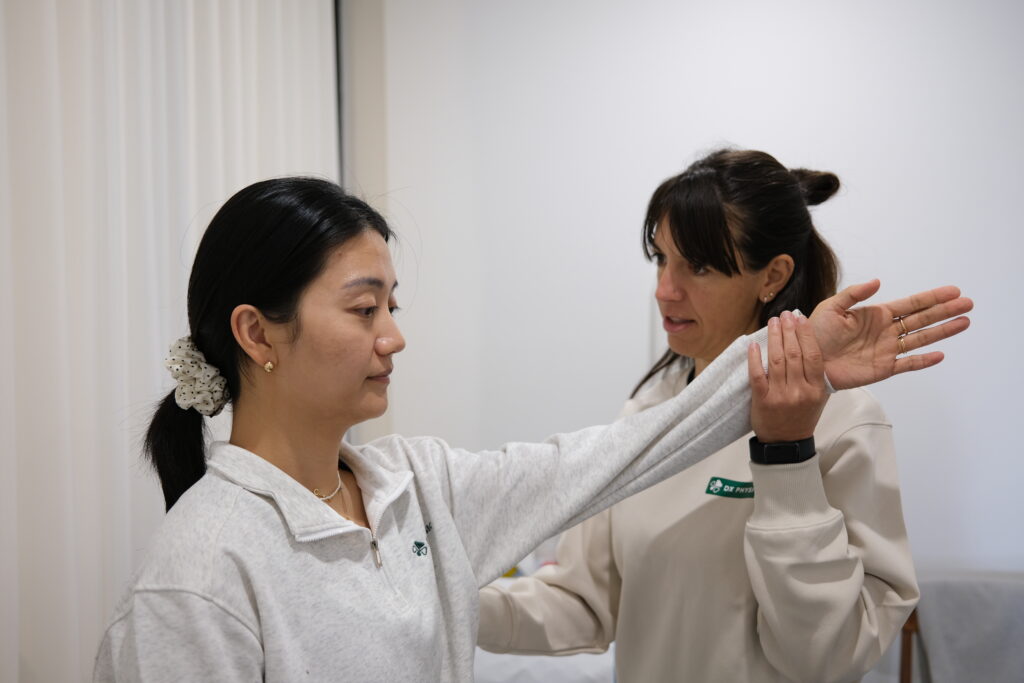
At DX Physio, women’s health physiotherapists provide personalised Pelvic Floor Physio sessions. They assess your unique needs and guide you with clear, simple instructions. Their treatment plans help you understand your pelvic floor, correct your technique, and build long-term strength and confidence.
Pelvic Floor Physio offers structure, clarity, and support. It removes guesswork. You are not alone. You are guided step by step. This makes progress faster and more effective compared to doing Kegels without help.

When to Combine Both Approaches
Kegel exercises and Pelvic Floor Physio do not compete. They can work together. In many cases, combining both approaches creates the best results.
If you start with Pelvic Floor Physio, the physio can tell you whether Kegels are right for your body. Some women need strengthening. Others need relaxation. Some need coordination training to help the muscles activate at the correct time. With this knowledge, your exercises become more effective. Reinforcing correct movement through Kegels can help maintain progress between sessions.
There are also different stages of recovery. In early recovery, especially after childbirth or surgery, your body may need gentle movements. Kegels may feel too strong or unclear. Pelvic Floor Physio helps you start at the right level. Once you gain better control, Kegels may be added to help you build strength.

Women with mild symptoms may benefit from doing Kegels alone. But if symptoms do not improve, or if they get worse, Pelvic Floor Physio becomes important. A physio can identify why Kegels are not working. Maybe the muscles are tight. Maybe coordination is the issue. Maybe breathing patterns are creating pressure. With professional support, the approach becomes safer and more effective.
Women with more complex symptoms often need Pelvic Floor Physio first. These symptoms may include long-term pain, pelvic heaviness, chronic constipation, or sexual discomfort. These issues often involve more than weakness. They require guided treatment before Kegels can help.
Pelvic Floor Physio and Kegels can also work together for prevention. Women who exercise regularly, have physically demanding jobs, or are planning pregnancy can benefit from both. Physio helps optimise muscle function, and Kegels help maintain tone. With guidance, women build strength and protect their pelvic health in the long run.
Conclusion
Pelvic Floor Physio and Kegel exercises both support pelvic health, but they are not the same. Kegels are simple and accessible, but many women do them incorrectly. They can help, but only when done right and only when they match the real needs of the body.
Pelvic Floor Physio offers deeper understanding, personalised assessment, and clear guidance. It identifies whether the muscles are weak, tight, or uncoordinated. It removes confusion and helps women progress with confidence.

The best approach depends on your body and your symptoms. Some women benefit from Kegels. Some benefit from physio. Many benefits from both. The most important thing is to listen to your body and seek help when something feels off.
Understanding these differences empowers you to make better decisions. With the right support, your pelvic floor can become stronger, healthier, and more resilient. Pelvic health is not a mystery. It is something you can learn, practice, and improve with the right guidance.