
Menopause is a natural part of a woman’s life cycle, marking the end of her reproductive years. Yet, the journey through this phase is often accompanied by a series of changes that can significantly impact her quality of life. One such change that is commonly experienced, yet rarely spoken about, is stress urinary incontinence. This can be an embarrassing, inconvenient, and even distressing issue for many women.
As a women’s health physiotherapist, I regularly see patients grappling with this condition. The silver lining is that there is a plethora of evidence-based treatments available that can alleviate the symptoms and improve daily life, even without resorting to invasive procedures.
In this blog post, we’ll explore the impact of menopause on urinary health, the most effective treatments for stress incontinence, and specifically, how women’s health physiotherapy can play a pivotal role in managing this common menopause symptom. My hope is that by shedding light on this topic, we can dispel any stigma, promote open conversation, and empower women with knowledge and solutions to navigate this stage of life with confidence and comfort.”
Evidence-based Treatments For SUI:
- Pelvic Floor Muscle Training (PFMT): This involves strengthening the muscles that help support the bladder and control urination. Regular and correct pelvic floor exercises can significantly reduce symptoms of stress incontinence.
- Lifestyle changes: Weight loss and smoking cessation, if relevant, can alleviate stress incontinence by reducing pressure on the bladder.
- Bladder training: This involves changing urination habits to reduce incontinence.
- Hormone Replacement Therapy (HRT): Topical estrogen therapy can help replenish estrogen levels in the vagina and urinary tract, thus strengthening the tissues and reducing symptoms. However, there are potential risks associated with HRT that need to be discussed with the patient.
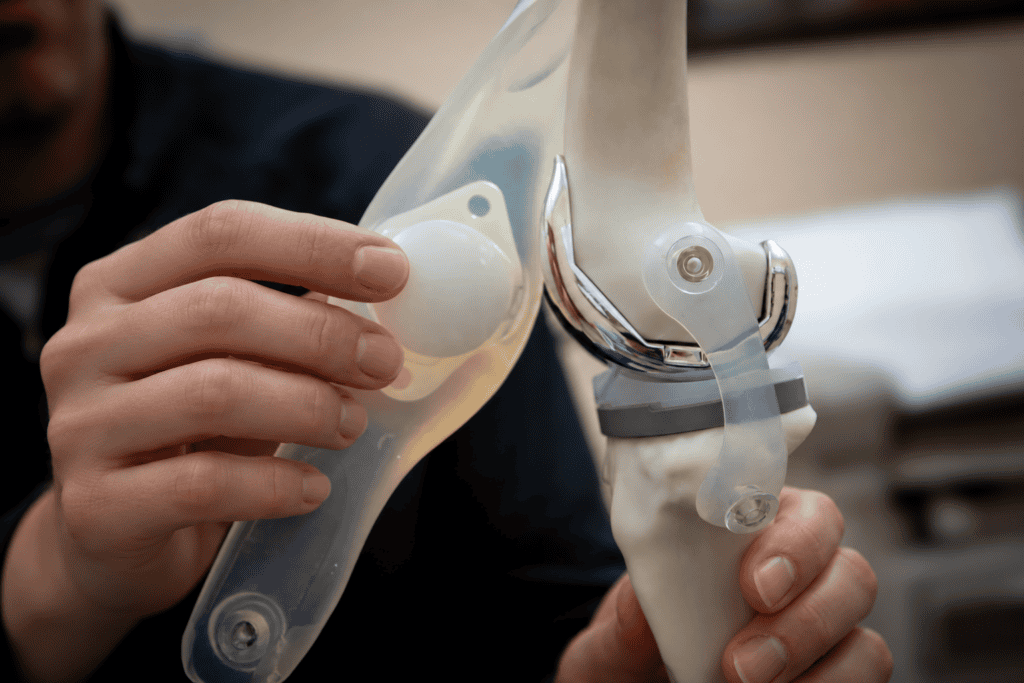
- Pessary devices: These devices are inserted into the vagina to help support the bladder and reduce symptoms of stress incontinence.
- Surgery: Surgical procedures like sling surgeries or urethral bulking are used as a last resort when other treatments don’t work.

Role of Women’s Health Physiotherapy:
- Education: A physiotherapist can provide education about the urinary system, changes during menopause, and stress incontinence.
- Personalized PFMT Program: The physiotherapist can design a personalized program to strengthen pelvic floor muscles and teach the correct way to perform these exercises.
- Guidance on Lifestyle Changes: Advice on diet, weight management, smoking cessation, and other lifestyle modifications can be provided to support treatment.
- Bladder Training: A physiotherapist can develop a bladder training program that includes scheduled urination times and techniques to delay urination.
- Holistic Approach: As a pelvic floor physiotherapist, we work closely with specialists and doctors as part of a multidisciplinary team. This collaborative approach ensures that our patients receive comprehensive, holistic care that address all aspects of their health.
Case Study:
Jane, a 52-year-old woman
Symptoms: Stress Urinary Incontinence following the onset of menopause / Mood Swings / Hot Flashes
Concern: Worrying about leakage during her regular morning jogs
Treatment:
- Referred to GP to check estrogen level
- Advised to try HRT
- Plevic Floor Muscles Assessment and Training
- Education on lifestyle modifications i.e weight management , reduce bladder irritants such as coffee, tea and energy drinks
- Referred to Dietician for Constipation Management
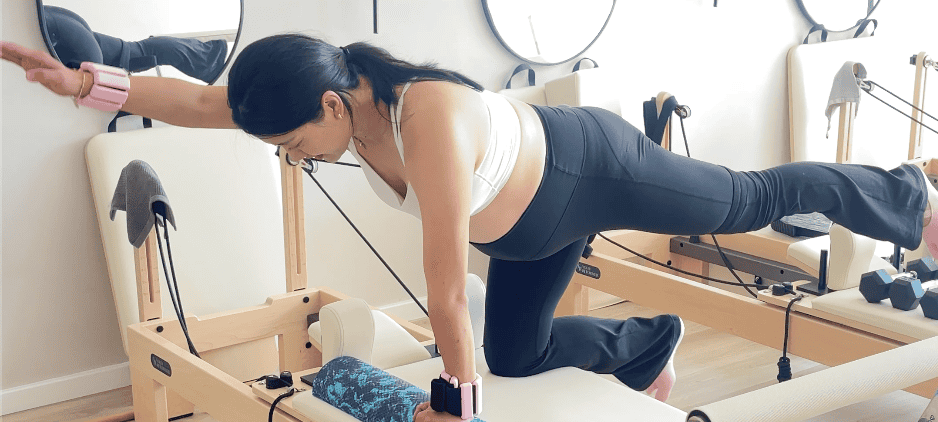
- Pilates / Strength Group Classes Training
Results:
Jane noticed a significant improvement in her stress urinary incontinence in 6 weeks. Her confidence returned, allowing her to resume her morning jogs without anxiety. She reported feeling empowered and more in control of her body.