
When breastfeeding, most mums try to do everything right — keeping clean, washing hands, sanitizing bottles. Yet sometimes, pain, swelling, or redness suddenly appear in one breast. The question quickly comes up:
“Did I get mastitis because my hygiene wasn’t good enough?”
It’s easy to think that mastitis, an inflammation of the breast tissue, must come from something unhygienic. After all, it often feels like an infection. But the truth is more complex. While hygiene is important for overall health, studies show that mastitis is rarely caused by poor hygiene alone.
In this article, we’ll explore the real link between hygiene habits and mastitis risk, clear up some myths, and explain how women’s health physiotherapists can help with gentle ultrasound therapy when inflammation or blockage occurs.
What Is Mastitis and Why Does It Happen?
Mastitis happens when milk gets trapped inside the breast. When a duct becomes blocked, pressure builds up, leading to inflammation. If bacteria enter through small nipple cracks or damaged skin, infection may follow.
This condition is most common during the early weeks of breastfeeding but can occur at any stage. It’s often caused by milk not draining fully, long gaps between feeds, or tight clothing pressing on the breast.

Typical signs include:
- Pain or a burning sensation in one area
- Redness, swelling, and warmth
- A firm or hard lump that doesn’t soften after feeding
- Fatigue, fever, or flu-like symptoms
Mastitis usually develops on one side and may come on suddenly. Many women describe it as feeling like they have the flu. If untreated, it can lead to a breast abscess — but when treated early, it often clears within a few days.
Is Poor Hygiene Really to Blame?
Many new mothers assume mastitis is linked to poor hygiene — maybe a pump that wasn’t sterilized properly, or not washing hands often enough. Some older medical sources even list poor hygiene among risk factors.

But newer evidence paints a clearer picture: while hygiene plays a supporting role, mastitis is primarily a result of milk stasis — not dirt or germs.
To understand this, think about what happens inside the breast:
When milk builds up and can’t drain, inflammation starts. The tissue becomes swollen, blood flow is restricted, and immune cells rush in to repair the area. If bacteria are already on the skin, they may enter through cracks, causing infection. But the root problem remains blocked milk, not hygiene.
That said, good hygiene still matters because it reduces bacterial load:
- Wash hands before breastfeeding or expressing.
- Clean breast pump parts thoroughly.
- Keep nipples clean and dry.
- Change breast pads regularly.
However, poor hygiene alone won’t cause mastitis unless milk is also trapped. Even if the skin is completely clean, blocked ducts can still lead to inflammation.
In short: hygiene affects risk, not cause.
Mastitis is not a sign that you were “unclean.” It’s a signal that your milk isn’t flowing freely.
How Physiotherapists and Ultrasound Therapy Can Help
Once inflammation develops, pain can increase quickly — and that’s where physiotherapy can help.
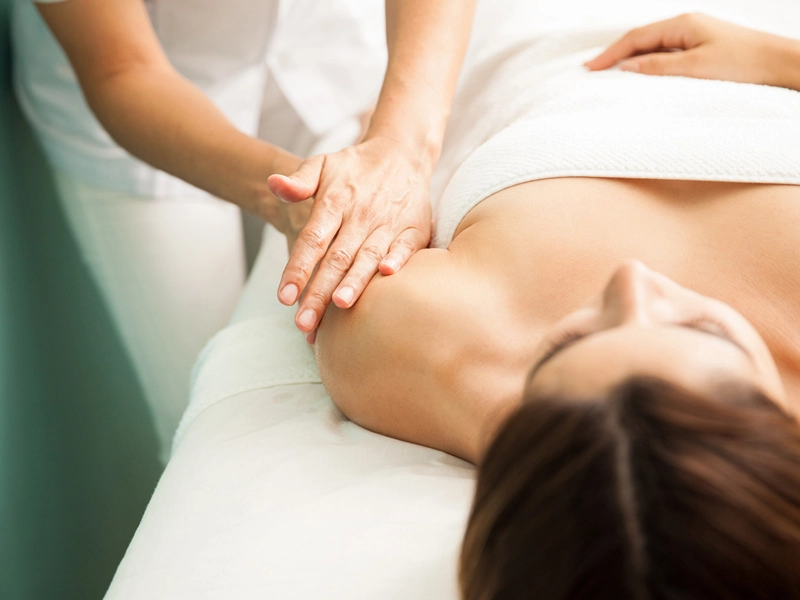
Women’s health physiotherapists are trained to manage mastitis and blocked ducts using therapeutic ultrasound, a safe and non-invasive treatment that encourages healing and restores milk flow.
How it works:
- The ultrasound waves gently vibrate the breast tissue, improving circulation and lymphatic drainage.
- This helps soften thickened areas and break down milk blockages.
- It reduces swelling, heat, and pain, supporting natural recovery.

At DX Physio Cremorne, women’s health physiotherapists combine ultrasound therapy with gentle massage and tailored care to relieve discomfort and restore flow. Each session is designed for breastfeeding mothers and focuses on comfort and safety.
Most women feel relief after one or two sessions, especially when combined with rest, hydration, and continued feeding or expressing.
If symptoms become severe — such as spreading redness, fever, or a suspected abscess — physiotherapists can work alongside your GP to coordinate care. Early treatment prevents complications and keeps you breastfeeding with confidence.
Hygiene, Habits, and Real Prevention
So, how can you reduce your chance of mastitis? The best prevention focuses on milk management rather than just cleaning routines.
Here are ten practical tips for prevention:
- Feed frequently — don’t skip sessions, especially in the early weeks.
- Ensure a deep latch so the breast drains fully.
- Alternate feeding positions to empty all ducts evenly.
- Avoid tight bras and clothing that put pressure on the breasts.
- Gently massage the breast during feeding to assist flow.
- Drink enough water and get rest — dehydration affects milk letdown.
- Apply warmth before feeding to relax ducts, and cool compresses after for comfort.
- Treat cracked nipples early using lanolin or nipple balm.
- Keep pumps and accessories clean and dry.
- Seek help early if you notice a hard lump, pain, or decreased milk flow.

Remember: bacteria are everywhere — on skin, clothes, and surfaces — but your body is resilient. Mastitis happens when milk can’t move, not because you weren’t clean enough.
Good hygiene helps reduce risk, but the key protection comes from regular, complete milk removal and avoiding prolonged pressure. Listening to your body, resting when needed, and acting early make all the difference.
When to Seek Help
You should see a professional if:
- Pain worsens despite feeding or massage
- Redness spreads or the breast feels hot
- You develop a fever or flu-like symptoms
- There’s a hard lump that doesn’t go away
Physiotherapy, combined with ongoing breastfeeding support, can prevent the condition from progressing. Many mums find that ultrasound therapy helps clear blocked ducts without antibiotics and allows them to continue breastfeeding comfortably.
Final Thoughts
The relationship between hygiene habits and mastitis risk is often misunderstood. Hygiene plays a supporting role, but it’s not the main cause. Mastitis usually begins when milk is not drained effectively — whether from tight clothing, missed feeds, or poor latch.
So instead of worrying about being “clean enough,” focus on milk flow, comfort, and self-care.
Wash your hands, rest, hydrate, and feed often. If pain appears, act early — professional help from a women’s health physiotherapist can make recovery faster and gentler.
Breastfeeding should be a nurturing, empowering experience — not one filled with fear or guilt. With the right habits and support, you can prevent mastitis, recover quickly, and continue your breastfeeding journey with confidence.