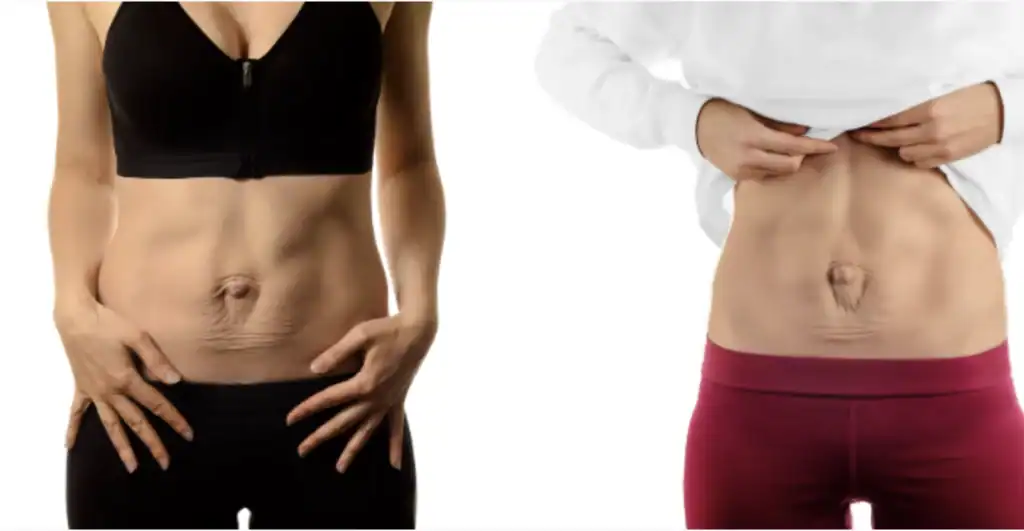
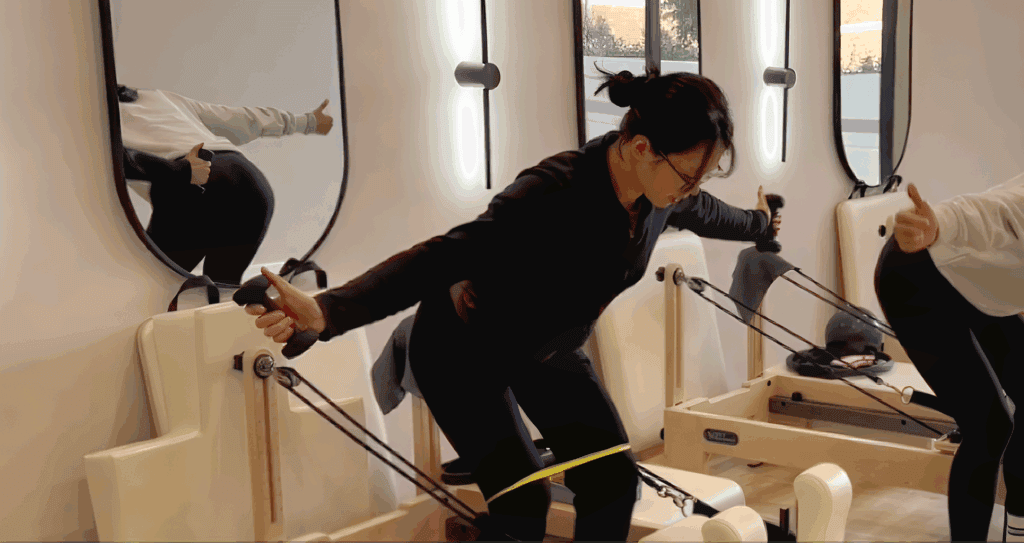
Pregnancy and the months after birth are often treated as two separate stages. In reality, they are part of one continuous journey. The body adapts, changes, and recovers over time. Movement needs shift along the way. What feels right during pregnancy may not suit the postnatal period. At the same time, both stages require care, patience, and understanding.
Prenatal and Postnatal Reformer Pilates has become an increasingly popular choice for women who want a consistent and supportive approach to movement throughout this journey. Rather than stopping exercise during pregnancy and restarting later, many women now look for ways to stay connected to their bodies before and after birth. This approach recognises that pregnancy and postnatal recovery are linked stages, not isolated events.
During pregnancy, the body prepares to support new life. After birth, it begins the process of recovery. Exercise during these times should not follow a fixed routine. It should evolve. A method that allows gradual adjustment can help women feel more confident and supported as their needs change.
Understanding how and why exercise needs shift before and after birth helps explain the value of a continuous and adaptable movement approach.
Why Exercise Needs Change Before and After Birth
The physical demands placed on the body during pregnancy are very different from those experienced after birth. Before birth, the body is focused on growth, support, and preparation. After birth, the focus shifts to recovery, rebuilding, and restoring function.
During pregnancy, hormones increase joint flexibility. This helps prepare the pelvis for birth, but it can reduce stability. As the baby grows, posture changes. The centre of gravity moves forward. Muscles around the spine, hips, and pelvis work differently to maintain balance. Exercise during pregnancy often needs to prioritise control, support, and comfort.

Core muscles also adapt during pregnancy. The abdominal wall stretches to accommodate the growing baby. Deep core muscles and the pelvic floor work harder to provide support. High-intensity or poorly adapted exercises may place unnecessary strain on these structures.
After birth, the body begins a gradual recovery process. Muscles that were stretched or overloaded need time to regain strength. The pelvic floor and deep core muscles may feel weak or disconnected. Posture may still reflect the habits formed during pregnancy and early motherhood, such as feeding and carrying a baby.
Fatigue is common during both stages, but it often feels different. Pregnancy fatigue is influenced by hormonal changes and physical load. Postnatal fatigue is often linked to sleep disruption and increased daily demands. Exercise needs to respond to this rather than ignore it.
Because of these differences, exercise before and after birth cannot follow the same goals or intensity. A flexible approach that adapts to each stage helps reduce the risk of injury and supports long-term wellbeing.
How Reformer Pilates Adapts Across Pregnancy and Postnatal Recovery
Reformer Pilates is well suited to supporting movement across pregnancy and postnatal recovery because of its adaptability. The reformer machine uses springs to create adjustable resistance. This allows exercises to be supported, assisted, or progressed depending on individual needs.
During pregnancy, movements can be gentle and controlled. Exercises can focus on posture, breathing, and stability. Resistance can be adjusted to support joints and reduce strain. Positions can be modified as comfort levels change. This allows women to continue moving without feeling pressured to maintain pre-pregnancy performance.
As pregnancy progresses, exercises can be adapted to accommodate changes in balance and mobility. Side-lying or elevated positions may feel more comfortable. The reformer makes these adjustments possible while still providing effective movement.

After birth, the same equipment can be used to support recovery. Resistance can be reduced to allow gentle reactivation of muscles. Movements can focus on rebuilding deep core strength and improving stability. Progression can happen gradually as the body adapts.
This continuity helps women feel familiar with their movement environment. Instead of stopping and starting, exercise becomes a steady part of the journey. Familiar movements can be revisited with different intentions as the body’s needs change.
At DX Physio, this adaptability is used to support women through pregnancy and postnatal recovery with clinical, stage-appropriate Reformer Pilates.
The ability to adjust exercises rather than replace them entirely helps create a sense of confidence and control during a time of significant change.
Who Benefits Most from a Continuum-Based Approach
A continuum-based approach to exercise suits women who value long-term health over short-term results. It is particularly helpful for those who want to stay active throughout pregnancy and ease smoothly into postnatal recovery.
Women who prefer structure and guidance often benefit from this approach. Knowing that exercises are adapted to each stage can reduce anxiety around movement. This is especially important for women who feel unsure about what is safe during pregnancy or after birth.
Those who experience physical discomfort during pregnancy may find that consistent, gentle movement helps maintain comfort and mobility. After birth, the same approach supports gradual rebuilding rather than sudden intensity.

A continuum-based approach can also suit women who are new to exercise. Starting with gentle, supported movement during pregnancy can build confidence. This foundation makes it easier to continue after birth without feeling overwhelmed.
Women who have experienced previous injuries or physical concerns may also benefit. An adaptable exercise method allows for individual needs to be considered at each stage.
This approach is not about achieving fitness milestones quickly. It is about maintaining connection with the body. It supports consistency rather than extremes. For many women, this mindset makes exercise feel more achievable and sustainable.
Conclusion
Pregnancy and postnatal recovery are not separate chapters. They are part of a continuous process of change and adaptation. Exercise during this time should reflect that reality. It should evolve alongside the body rather than follow rigid expectations.
Prenatal and Postnatal Reformer Pilates offers a way to support movement across every stage. Its adaptable nature allows exercises to be adjusted before and after birth. This helps maintain strength, stability, and confidence without unnecessary strain.

Choosing a stage-based approach to exercise is not about doing more. It is about doing what is appropriate at the right time. Gentle progression supports recovery and reduces the risk of setbacks.
By respecting the body’s changing needs, women can build a stronger and more confident relationship with movement. Prenatal and Postnatal Reformer Pilates encourages this steady and supportive journey through pregnancy and beyond.