
After giving birth, many women notice their body feels different. The stomach may feel soft. The core may feel weak. Some movements that were once easy suddenly feel unstable. You might sit up in bed and see a ridge along your abdomen. Or you may struggle to hold good posture while carrying your baby.
This experience is common. It often relates to a condition called abdominal separation, also known as diastasis recti. During pregnancy, the abdominal muscles stretch to allow space for the baby. After birth, they do not always return to their previous position straight away.
Because of this, many mothers begin searching for Postnatal Abdominal Separation Recovery advice. They want to know what is normal, what is safe, and how to regain strength. The challenge is that information online can be confusing. Some sources say to exercise more. Others say to avoid exercise entirely.
The truth is somewhere in between. The body does need movement. But it needs the right type of movement at the right time. Recovery is not about forcing the muscles back together quickly. It is about rebuilding support and coordination gradually.
Understanding what abdominal separation affects and how recovery works can make the process feel less worrying. With patience and guidance, most women can improve function and confidence in their bodies again.
How Abdominal Separation Affects the Postnatal Body
Abdominal separation is more than a visible gap in the stomach. It changes how the body manages pressure and movement. The abdominal muscles help stabilise the spine and support daily tasks. When they are not working well together, other areas must compensate.
Posture is often affected first. Many women notice they slump more easily after pregnancy. The lower back may arch more than before. The shoulders may round forward while feeding or carrying the baby. These changes increase strain on the spine.
Back discomfort is also common. Without strong abdominal support, the back muscles work harder. Over time, this can cause fatigue or soreness. Simple activities like standing or walking may feel tiring.

The pelvic floor is connected to the abdominal muscles. When the core is weak, the pelvic floor may also struggle to manage pressure. Some women experience heaviness or reduced control during movement.
Daily activities can feel different too. Lifting the baby, pushing a pram, or getting out of bed may feel unstable. Movements that rely on coordination become less efficient. This can lead to hesitation or fear of movement.
It is important to understand that these changes are not permanent damage. They are signs the body is adapting after pregnancy. The muscles need time to relearn how to work together again.
Addressing abdominal separation early helps restore normal movement patterns. It also reduces the chance of ongoing discomfort. Recovery focuses on improving function rather than just changing appearance.
How Clinical Rehabilitation Supports Postnatal Recovery
Postnatal Abdominal Separation Recovery works best when the focus is on coordination rather than intensity. The body needs to reconnect muscle groups that used to work automatically. This includes the deep abdominal muscles, breathing muscles, and pelvic floor.
The first step is awareness. Learning how to gently activate the deep core helps support the midline of the abdomen. This reduces unnecessary pressure on healing tissue.
Breathing patterns are important. Controlled breathing helps regulate pressure inside the abdomen. When breathing and muscle activation work together, movements feel more stable.

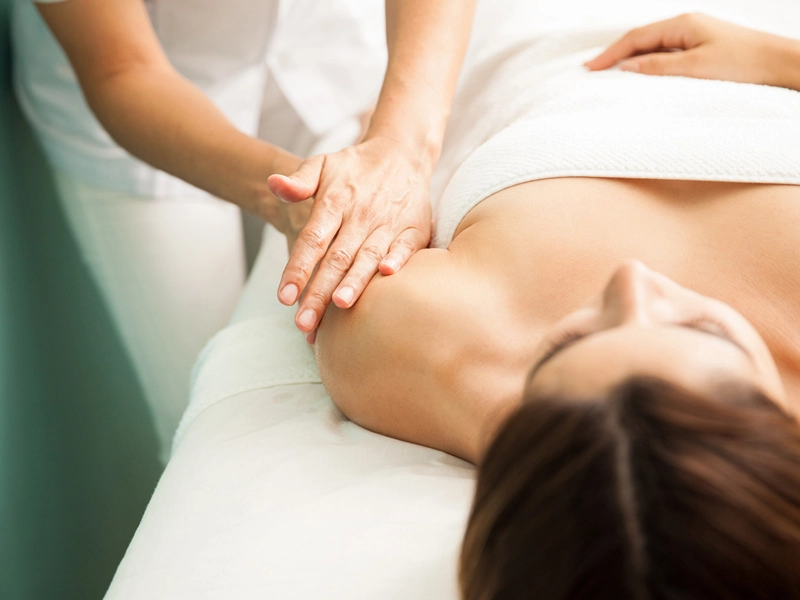
Physiotherapy rehabilitation exercises usually begin with simple positions. Lying down or supported sitting reduces load on the abdomen. These positions allow the body to practice correct activation without strain.
Gradually, exercises become more functional. Movements may include rolling, standing, and lifting patterns. Each stage builds on the previous one. The aim is to transfer control into everyday life.
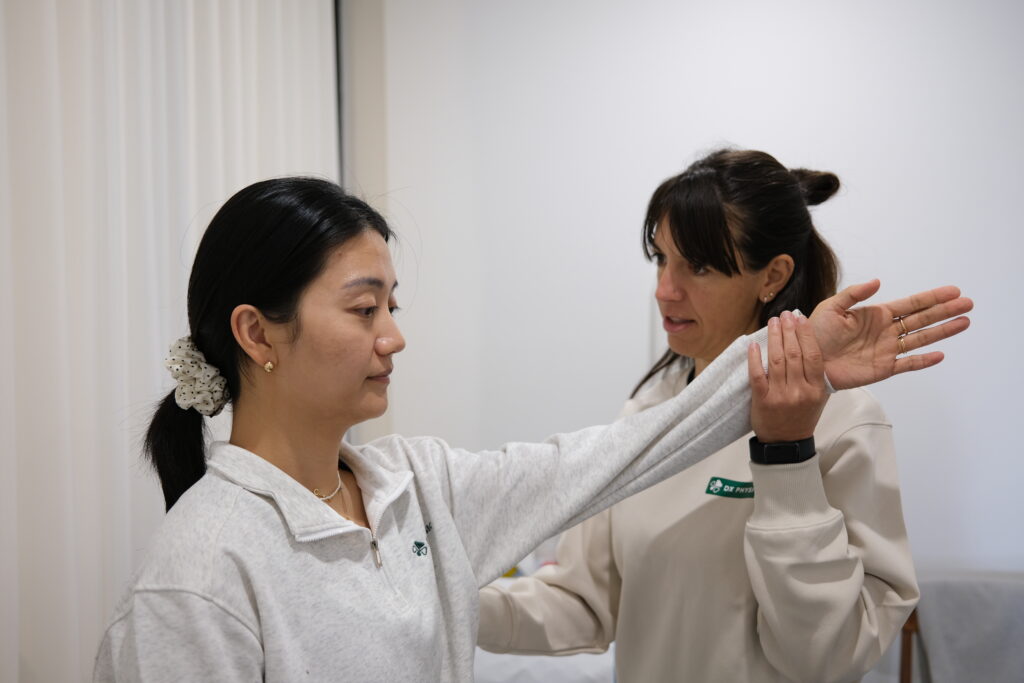
At DX Physio, postnatal abdominal separation recovery may be supported by a women’s health physio through clinical rehabilitation that guides safe muscle coordination and gradual strengthening.
Consistency matters more than difficulty. Small, regular practice helps the nervous system relearn patterns. Over time, this improves stability and confidence.
Recovery is not about doing as much as possible. It is about doing what is appropriate for the current stage.
What Recovery Looks Like in Real Life
Many women want to know how long recovery takes. The honest answer is that it varies. Every pregnancy and birth experience is different. Healing speed depends on tissue recovery, daily activity, sleep, and overall health.
Early improvements often involve better control rather than visible change. You may notice it becomes easier to sit up or carry your baby. Movements feel smoother. The body feels more supported.
Visible changes in the abdomen usually take longer. Connective tissue adapts slowly. Weeks or months may pass before the midline feels firmer. This is normal.
Progress is rarely linear. Some days feel strong. Other days feel tiring. Hormones, fatigue, and daily demands influence recovery. This does not mean something is wrong.

It is helpful to measure progress by function. Are daily tasks easier? Is posture more comfortable? Does movement feel more stable? These signs often appear before visual improvement.
Returning to higher intensity exercise should happen gradually. The body benefits from building a foundation first. Rushing ahead can cause setbacks.
Patience helps maintain motivation. Recovery is a process of rebuilding trust in the body. Small gains accumulate over time.
Conclusion
Postnatal Abdominal Separation Recovery is a journey of rebuilding support and confidence after birth. The changes experienced after pregnancy are common and manageable. They reflect the body adapting rather than failing.
Abdominal separation affects posture, movement, and stability. Addressing it early can improve daily comfort and long-term wellbeing. The goal is not perfection but function.
Safe recovery focuses on coordination, breathing, and gradual strengthening. Quick fixes rarely provide lasting results. Consistency and appropriate progression are more effective.

Professional guidance can help reduce uncertainty. Knowing movements are suitable for your stage allows you to move with confidence.
With time, many women regain strength and stability. Daily activities become easier. The body feels reliable again.
Choosing a safe and sustainable approach supports long-term health. Step by step, the core can rebuild and support you through the demands of motherhood.