If you are looking for a list of manual therapy techniques, you are in the right place. Manual therapy has become an important part of modern healthcare. It is often used by physiotherapists, chiropractors, and massage therapists. The goal is straightforward: to reduce pain, restore mobility, and enhance quality of life.
In 2025, more people are choosing manual therapy to manage pain and recover from injuries. Patients prefer treatments that are natural, safe, and effective. Manual therapy techniques continue to evolve, and many practitioners are now combining different methods. This makes the results more accurate and personalized.
This article will explain what manual therapy is, describe the most common techniques used in 2025, and answer key questions about pain relief and treatment combinations.
What is a Manual Therapy Technique?
A manual therapy technique is a hands-on treatment used by physiotherapists. It means the therapist uses their hands, or sometimes special tools, to apply pressure, stretch, or mobilize tissue. The goal is to improve movement, reduce stiffness, and relieve pain. Unlike exercise or machines, manual therapy is a direct and personal form of care. It often works best when combined with exercise, education, and lifestyle changes.
List of Manual Therapy Techniques in 2025
Here is a closer look at the most common manual therapy techniques in 2025. Each of these methods is widely used by physiotherapists and can be tailored to the unique needs of each patient.
Soft-Tissue Mobilization (STM)
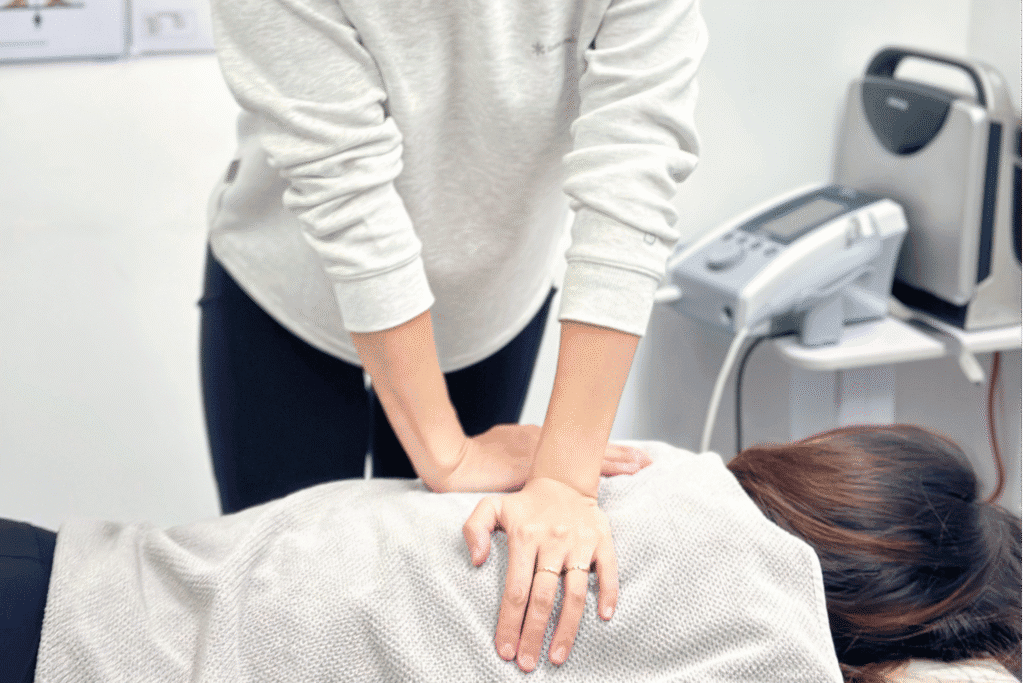
Soft-tissue mobilization focuses on muscles, ligaments, and fascia. A physiotherapist applies firm but gentle pressure with their hands to release tension and improve circulation.
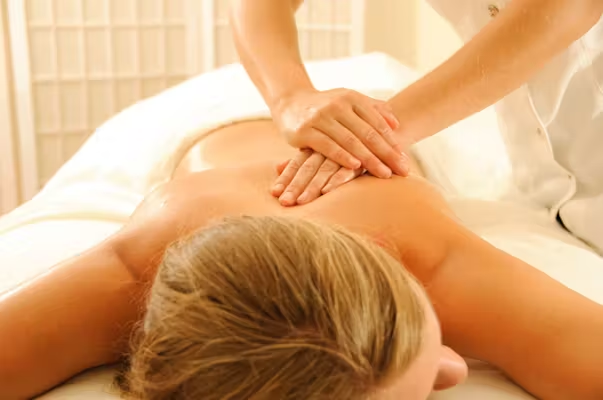
This method helps:
- Reduce muscle tightness
- Break down scar tissue
- Improve blood flow
- Support faster healing
It is often used for patients with sports injuries, chronic muscle pain, or stiffness after surgery. Soft-tissue mobilization feels similar to massage but is more focused and therapeutic.
Joint Mobilization
Joint mobilization targets stiff or painful joints. The therapist applies small, controlled movements to improve flexibility and reduce discomfort. These movements are usually slow and gentle.

The benefits include:
- Restoring the normal range of motion
- Reducing joint stiffness
- Improving daily function, like walking or lifting arms
- Decreasing pain caused by arthritis or injury
Joint mobilization is often recommended for people with shoulder stiffness, knee pain, or back issues. It can be used on both large and small joints.
Myofascial Release (MFR)
Fascia is the connective tissue that surrounds muscles and organs. When fascia becomes tight, it restricts movement and causes pain. Myofascial release is a technique where the therapist gently stretches and releases tension in these tissues.

Patients often report a feeling of lightness or relief after MFR. It is especially helpful for:
- Chronic pain
- Fibromyalgia
- Postural problems
- Limited flexibility
This technique requires patience, as the therapist uses slow, sustained pressure. Over time, the fascia becomes more flexible, reducing pain and improving movement.
Trigger Point Therapy
Trigger points are small, tight knots in muscles that can cause pain in one spot or even radiate to other areas. To treat them, therapists use trigger point therapy, which applies direct pressure to release the tension.

For example, a knot in the upper back may cause headaches or neck pain. By treating the trigger point, the therapist reduces tension and improves muscle function.
Benefits include:
- Immediate pain relief
- Better muscle relaxation
- Improved posture
- Reduced referred pain (pain felt in a different area than the trigger point)
Trigger point therapy is especially effective for people who sit for long hours, athletes, or anyone with chronic muscle stress.
Instrument-Assisted Soft Tissue Mobilization (IASTM)
IASTM uses special tools instead of only hands. These tools are often made of stainless steel and have smooth edges. The therapist glides the tool over the skin to treat tight tissues and scar formation.

The main advantages of IASTM are:
- Breaking down scar tissue
- Improving tissue healing after surgery or injury
- Releasing deep muscle tension
- Speeding up recovery in athletes
Patients may feel slight pressure or mild redness after treatment, but the results are often quick and long-lasting.
Assisted Stretching (Muscle Energy Techniques)
Assisted stretching involves the therapist guiding a muscle into a stretch while the patient gently resists. This combination of stretch and resistance helps reset the muscle length and improve flexibility.

It is often called a “muscle energy technique” because the patient’s own effort plays a role in the process.
This method helps with:
- Increasing range of motion
- Correcting muscle imbalances
- Reducing stiffness
- Supporting athletic performance
For example, a runner with tight hamstrings may benefit from assisted stretching to prevent injuries and improve speed.
What is the Best Combination of Manual Therapy Interventions?
There is no single “best” combination for everyone. The right mix depends on the condition, pain level, and patient goals.
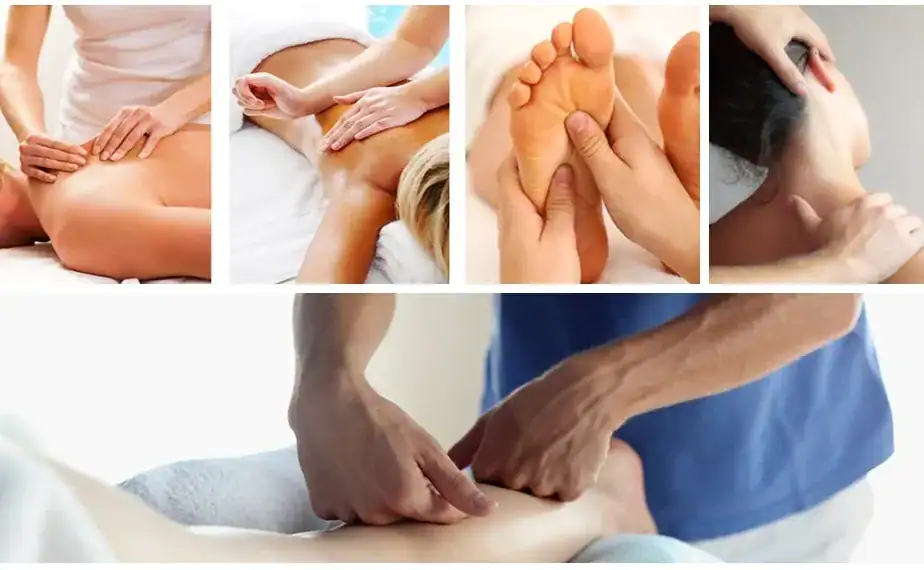
For example:
- A person with stiff joints and muscle pain may benefit from joint mobilization + soft-tissue mobilization.
- An athlete recovering from injury may do well with IASTM + assisted stretching.
- Someone with chronic tension headaches may benefit from trigger point therapy + myofascial release.
The key is that manual therapy should always be personalized. A trained physiotherapist will assess the body and select the most effective combination.
What Type of Pain is Most Likely to be Relieved by Manual Therapies?
Manual therapies are effective for many conditions, but they are especially helpful for:
- Back and neck pain
- Muscle tension and stiffness
- Joint pain from arthritis or injury
- Sports injuries
- Headaches linked to muscle strain
- Post-surgical scar tissue
While not all pain can be fully resolved with manual therapy, most people experience noticeable relief and better movement. It can also reduce the need for medication and support long-term recovery.
Conclusion
Manual therapy continues to be a key part of physiotherapy in 2025. With options like soft-tissue mobilization, joint mobilization, myofascial release, trigger point therapy, IASTM, and assisted stretching, patients have many choices for treatment. Each technique works uniquely, and together they help reduce pain, restore movement, and improve quality of life.

If you are experiencing pain or stiffness, it is best to consult a professional for a tailored plan. DX PHYSIO offers personalized manual therapy programs designed to meet your needs.
See also: How Much Does Manual Therapy Cost in 2025
📞 (02) 99493770
📧 Info@dxphysio.com.au
Take the first step toward relief and recovery today.