Health is more than just the absence of pain. People want to feel well, move freely, and enjoy daily life without discomfort. For many, traditional approaches are not enough. This is where integrative manual therapy comes in. It combines different hands-on methods to restore balance in the body. It looks at the whole person, not just one symptom. This therapy is gaining attention because it helps with a wide range of conditions.
In this article, we will explain what integrative manual therapy is, how it works, and why it may be the right choice for you.
What Is Integrative Manual Therapy?
Integrative manual therapy, often called IMT, is a type of physiotherapy. It focuses on the body’s natural ability to heal itself. Unlike treatments that only target one muscle or joint, IMT looks at the body as a complete system. The therapist uses gentle techniques to release tension, improve movement, and support healing.

IMT is different from standard massage or chiropractic care. It does not only push, pull, or adjust bones. Instead, it blends multiple manual approaches into one session. These may include soft tissue work, joint mobilization, myofascial release, cranial therapy, and visceral techniques. By combining them, the therapist addresses both the structure and the function of the body.
A key feature of IMT is that it respects the uniqueness of each person. Two patients with the same back pain may receive very different treatments. The therapist considers posture, movement patterns, past injuries, stress, and lifestyle. This whole-body view makes IMT a highly personalized approach.
Key Benefits of IMT
IMT is not only about pain relief. It also helps to prevent future injuries and improve overall health. Here are some common benefits:
- Relief of chronic pain in the back, neck, or shoulders
- Recovery from sports injuries or accidents
- Reduced headaches and migraines
- Better breathing and digestion
- Improved posture and movement
- Stress relief and relaxation
- Faster recovery after surgery or illness
Many patients also report feeling more balanced, both physically and emotionally. Because IMT calms the nervous system, it often reduces stress and improves sleep.
Who Can Benefit?
Almost anyone can benefit from IMT. Athletes may use it to recover faster. Office workers may use it to reduce stiffness from long hours of sitting. Older adults may use it to improve mobility and independence. Even children and teenagers can benefit from gentle manual therapy.
IMT is safe for people with chronic conditions, too. For example, it can support patients with arthritis, fibromyalgia, or postural issues. It is always adapted to the needs and comfort of the individual.
How Does Integrative Manual Therapy Work?
The body is made up of muscles, bones, nerves, blood vessels, and organs. All these parts are connected. When one area is tense or injured, it can affect other areas. For example, tightness in the hip may cause knee or back pain. IMT works by finding these hidden connections and gently correcting them.
Step 1: Assessment
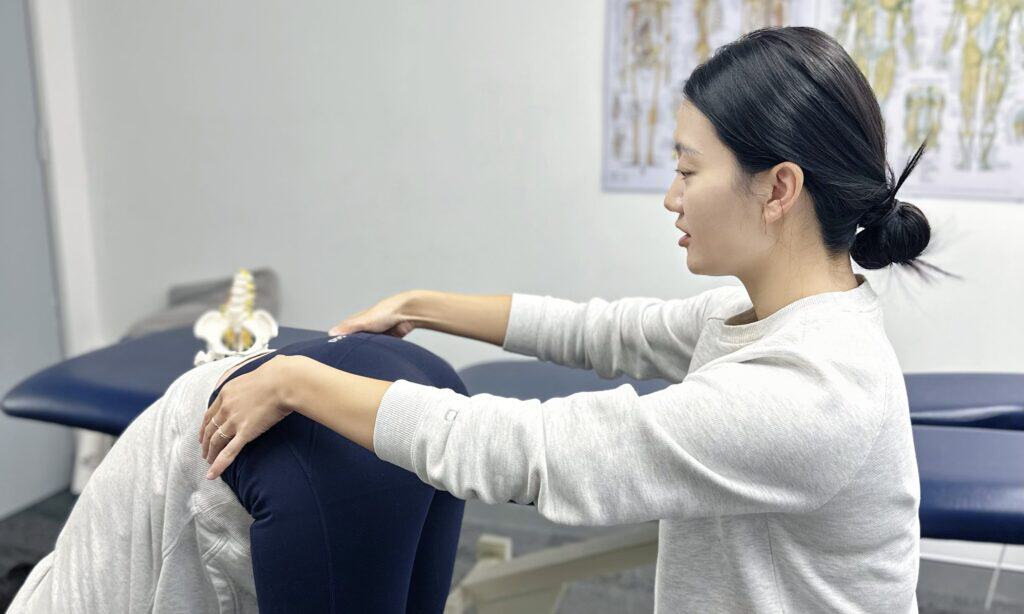
An IMT session usually begins with an assessment. The therapist observes posture, movement, and breathing. They may gently test how joints and muscles respond. They may also ask about stress, sleep, or past injuries. This helps to identify restrictions or imbalances in the body.

Step 2: Gentle Hands-On Techniques
The therapist then uses light touch to guide the body back into balance. Unlike forceful adjustments, IMT is gentle and comfortable. Techniques may include:
- Soft tissue release: relaxing tight muscles and fascia
- Joint mobilization: improving smooth movement in joints
- Cranial therapy: subtle touch to release tension in the head and spine
- Visceral manipulation: supporting the movement of organs like the stomach or diaphragm
- Neural release: easing restrictions around nerves
Each technique supports the body’s natural healing response. Patients often feel warmth, tingling, or deep relaxation during treatment.

Step 3: Nervous System Reset
IMT also helps the nervous system “reset.” When the body is under stress or injury, nerves can become overactive. This creates pain, tension, or fatigue. Gentle manual therapy calms the nervous system and allows tissues to relax. Patients often describe feeling deeply relaxed, even entering a meditative state. This relaxation is important because it allows the body to heal more effectively.
Step 4: Functional Integration
Finally, IMT helps the body work better as a whole. By releasing restrictions, blood and oxygen flow improve. Muscles can contract and relax more efficiently. Organs get the space they need to function well. This integration means less pain, better posture, and more freedom of movement.
Why It Works
Research shows that hands-on therapy can influence the nervous system, reduce pain signals, and improve circulation. IMT takes this further by combining methods that address not only physical structures but also how the body systems interact. It is safe, non-invasive, and suitable for people of all ages.
What to Expect After Treatment
After an IMT session, some people feel immediate relief. Others may notice gradual changes over days. It is common to feel more relaxed, breathe more deeply, or sleep better. Some people feel slightly sore for a day, as the body adjusts. With regular sessions, long-term improvements often include:
- Fewer pain flare-ups
- Better mobility and flexibility
- Improved posture and balance
- More energy and less fatigue
- Greater sense of well-being
Lifestyle Support
IMT works best when combined with healthy habits. Your therapist may suggest exercises, stretching, or changes in posture. They may also recommend stress management or breathing techniques. These small daily changes support the results of therapy.
👉 At DX Physio, our physiotherapists use integrative manual therapy within a wider care plan. We assess your unique needs and create a Personalised Treatment Plan. Contact us to explore how IMT can support your health: DX Physiotherapy Services.

Conclusion
Integrative manual therapy is a modern approach that blends different hands-on techniques. It treats the body as a whole, not just the site of pain. By restoring balance and improving function, IMT supports natural healing and long-term wellness.
It is gentle, safe, and suitable for people of all ages. Many choose IMT not only for pain relief but also for improved posture, mobility, and overall quality of life. If you are looking for a therapy that considers the whole person, integrative manual therapy may be a valuable choice.