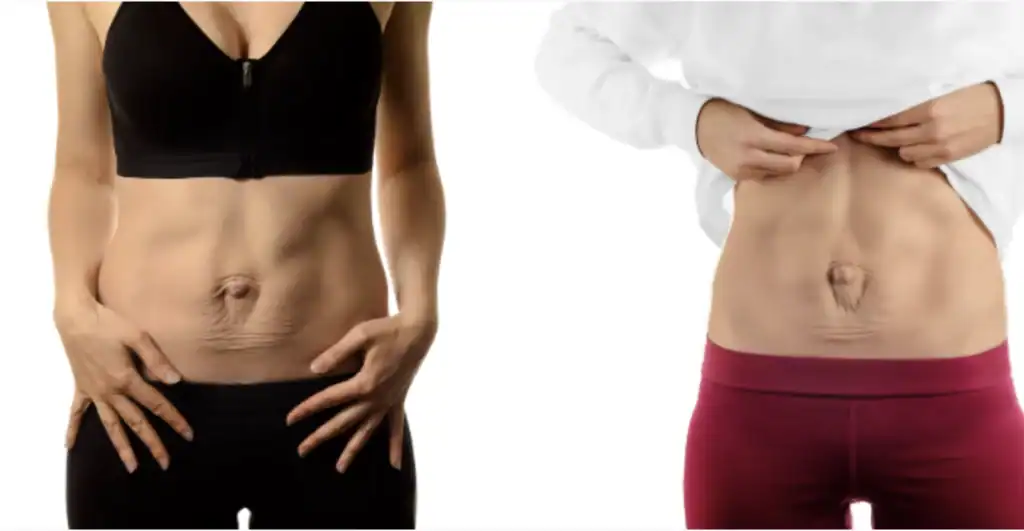
Many women turn to the internet when they notice abdominal separation after pregnancy. They may try self-tests or watch short videos for answers. Others follow quick “fix in 10 minutes a day” programs, hoping for fast results. Some advice can be helpful, but much of it lacks context.
Searching for Physio for Abdominal Separation often happens after frustration sets in. The gap has not improved. The stomach still feels weak. Exercises do not seem to work. Or worse, symptoms feel more noticeable.
Online self-check methods can show whether a separation exists. But they rarely explain what that separation means for your body. They do not assess posture, breathing, or muscle coordination. They cannot tell you how your daily habits influence recovery.
Quick repair methods are also limited. Abdominal separation developed gradually during pregnancy. It will not disappear overnight. Connective tissue heals slowly. Muscles need retraining. Rushing the process may increase strain instead of supporting recovery.
Professional guidance brings clarity. It looks beyond the gap itself. It considers how your body moves as a whole. That broader perspective is what makes physiotherapy different from general advice.
Understanding why abdominal separation matters and how it affects the body helps explain why proper support can make a real difference.
Why Abdominal Separation Is More Than a Cosmetic Issue
For many women, abdominal separation first feels like a visual concern. The stomach looks different. There may be a visible ridge when sitting up. Clothes may fit differently. It is natural to focus on appearance.
However, abdominal separation is not only about how the abdomen looks. The abdominal muscles play a key role in stability. They support the spine. They help manage pressure when lifting, coughing, or bending.
When the connective tissue between the muscles stretches, coordination can decrease. The deep core muscles may not engage effectively. This changes how the body distributes load.

Posture often shifts after pregnancy. The lower back may arch more. The ribs may flare outward. These changes increase strain on the spine. Over time, this can lead to discomfort.
Back pain is common in women with unresolved separation. The body compensates for reduced abdominal support. Other muscles work harder to stabilise the trunk. This can cause fatigue and tension.
The pelvic floor is also connected to the abdominal wall. Poor coordination between these muscles can affect pressure management. Some women notice heaviness or instability during movement.
Daily tasks can feel harder. Lifting a baby. Carrying a car seat. Standing for long periods. These activities require core support. Without it, the body feels less secure.
Long-term effects vary. Some women recover naturally. Others continue to experience weakness or instability years later. Addressing abdominal separation early reduces the risk of ongoing discomfort.
Recognising that this condition affects function, not just appearance, changes the recovery approach. The focus shifts from closing the gap to restoring stability and confidence.
How Physiotherapy Supports Abdominal Separation Recovery
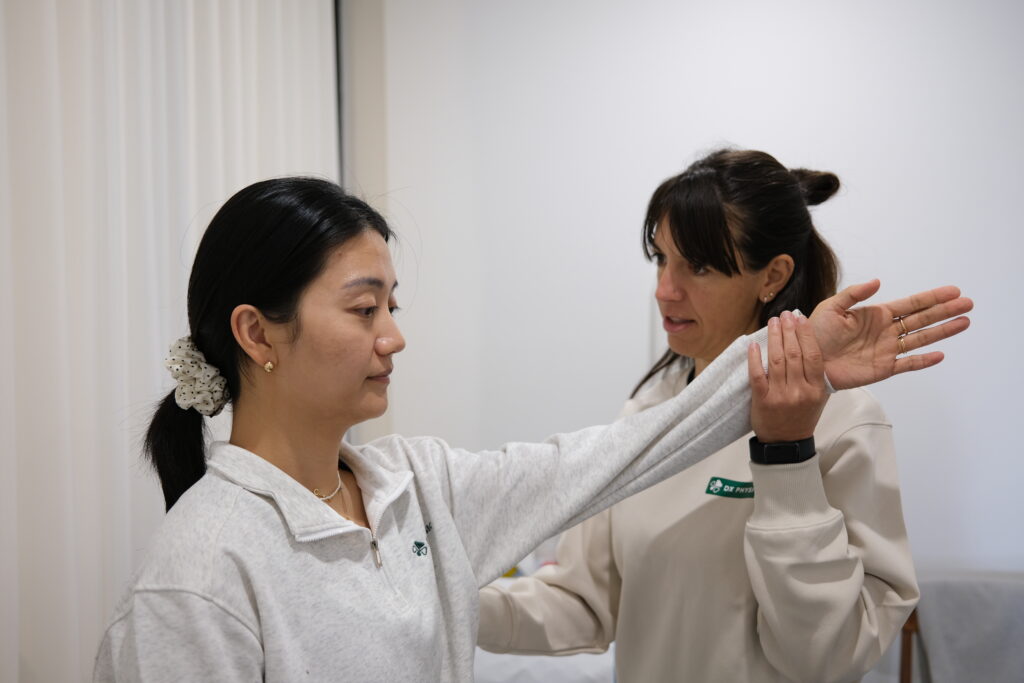
Physiotherapy begins with assessment. This step is often overlooked in online programs. A women’s health physiotherapist evaluates more than the width of the separation. They assess tissue tension, breathing patterns, posture, and muscle activation.
Understanding how your body moves helps guide exercise selection. Two women may have similar separation measurements but require different strategies. Personalised care accounts for these differences.
Breathing is often addressed first. The diaphragm and deep abdominal muscles work together. If breathing patterns are shallow or forceful, pressure increases inside the abdomen. This can slow healing.
A physiotherapist teaches controlled breathing techniques. These techniques help regulate pressure and improve coordination. When breathing and core activation align, movements feel more stable.

Exercise correction is another key component. Many women unknowingly compensate during movement. They may hold their breath. They may overuse surface muscles. These patterns reduce effectiveness.
Physiotherapy focuses on quality. Exercises are performed slowly and deliberately. Small adjustments improve alignment and control. This reduces strain on healing tissue.
Progression is gradual. The body adapts over time. Exercises become more challenging as strength improves. This structured advancement prevents setbacks.
At DX Physio, physio-led abdominal separation recovery support may include personalised assessment and guided rehabilitation to ensure safe progression.
Education is also part of physiotherapy. Understanding why certain exercises are chosen builds confidence. Women learn how to move safely outside the clinic as well.
Professional support reduces guesswork. It replaces uncertainty with clear direction. This clarity helps women feel more in control of their recovery.
When to See a Physio for Abdominal Separation
Some women wonder whether they need professional help. Mild separation that improves naturally may not require intensive support. However, certain signs suggest that assessment would be beneficial.
Persistent back pain is one indicator. If discomfort continues despite exercise attempts, underlying coordination issues may be present.
Visible doming or bulging during simple movements is another sign. If the abdomen pushes outward when sitting up or lifting, this may suggest pressure is not being managed well.

A separation that remains unchanged months after birth can also warrant evaluation. While healing takes time, ongoing instability may benefit from guidance.
Pelvic floor symptoms such as heaviness or reduced control may be linked to core dysfunction. Addressing abdominal separation can improve overall stability.
Women who feel unsure about which exercises are safe often gain reassurance from professional advice. Confidence matters in recovery. Fear of movement can slow progress.
Repeated attempts at online programs without improvement can be frustrating. Professional input helps identify what may be missing.
Seeking physiotherapy is not an admission of failure. It reflects a proactive approach to health. Early intervention often makes recovery smoother.
Every body is different. Listening to symptoms and seeking support when needed helps protect long-term wellbeing.
Conclusion
Physio for Abdominal Separation provides more than exercise instruction. It offers assessment, correction, and structured progression. It addresses function rather than appearance alone.
Online advice and quick fixes have limits. They may provide general information but cannot replace personalised evaluation. Abdominal separation affects posture, stability, and daily comfort. It deserves thoughtful care.
Professional guidance helps restore coordination between breathing, core muscles, and pelvic floor. It reduces unnecessary strain and builds gradual strength.
Recognising when to seek help supports smoother recovery. Persistent discomfort, visible bulging, or uncertainty about exercise are valid reasons to consult a physiotherapist.
Long-term core health depends on quality movement. Recovery is not about speed. It is about rebuilding stability step by step.
Physio for Abdominal Separation supports safe, sustainable improvement. With appropriate guidance, many women regain strength, confidence, and comfort in their bodies. Professional rehabilitation lays the foundation for lasting core health.