
After pregnancy, many women notice changes in their core. The stomach may feel weak. Movement may feel unstable. For some, there is a visible gap or bulge along the midline of the abdomen. When this happens, many people immediately search for Abdominal Separation Exercises in hopes of fixing the problem quickly.
This reaction is understandable. Exercise is often seen as the solution to physical changes. However, rushing into abdominal training can sometimes make things worse. Not all exercises are helpful for abdominal separation. Some movements may increase pressure on the abdominal wall instead of supporting healing.
Abdominal separation, also known as diastasis recti, is common after pregnancy. It occurs when the connective tissue between the abdominal muscles stretches. This tissue needs time and appropriate support to recover. The right exercises can help. The wrong ones can delay progress.
Many women feel overwhelmed by conflicting advice. One source says to strengthen the abs. Another warns against any abdominal work. This confusion often leads to frustration or fear of movement.
The goal of this article is to bring clarity. Abdominal Separation Exercises should support healing, not strain the body. Understanding what helps and what to avoid is the first step toward safe recovery.
Why Not All Ab Exercises Are Safe for Abdominal Separation
Traditional abdominal exercises are often designed for strength and appearance. They usually focus on creating tension by bending or twisting the spine. While these movements may be suitable for some people, they can be problematic when abdominal separation is present.
Sit-ups and crunches are common examples. These exercises increase pressure inside the abdomen. When the abdominal wall is already weakened, this pressure pushes outward. Instead of drawing the muscles together, it can widen the separation.

Planks can also be challenging. While they look controlled, they place significant load through the core. If the deep muscles are not functioning well, the body may compensate. This often leads to abdominal doming or bulging.
Twisting movements can add further stress. Rotational exercises require strong coordination between the core muscles. Without proper control, they may strain the connective tissue along the midline.
Another issue is breath holding. Many people unknowingly hold their breath during effort. This increases internal pressure. Over time, this can slow recovery or cause discomfort.
The problem is not that these exercises are bad. The issue is timing and readiness. An exercise that is helpful later in recovery may be harmful early on. Without assessing control and tolerance, it is difficult to know what is appropriate.
Abdominal separation changes how the core handles load. Exercises that ignore this change may reinforce poor movement patterns. This can lead to back pain, pelvic discomfort, or ongoing instability.
Understanding that not all abdominal exercises are equal helps prevent setbacks. Recovery is not about avoiding movement forever. It is about choosing movements that respect the body’s current state.
How Targeted Exercises Support Abdominal Separation Recovery
Effective Abdominal Separation Exercises focus on control, coordination, and low pressure. They aim to support the connective tissue while retraining the muscles to work together again.
The deep abdominal muscles play a central role. These muscles act like a supportive corset. When activated correctly, they help manage pressure inside the abdomen. This reduces strain on the midline.
Breathing is a key component. Controlled breathing encourages gentle core engagement. It also improves coordination between the diaphragm, abdominal muscles, and pelvic floor. This connection is essential for functional strength.
Targeted exercises are often subtle. They may look simple, but they require focus. Small movements performed with control are more effective than large movements performed with strain.
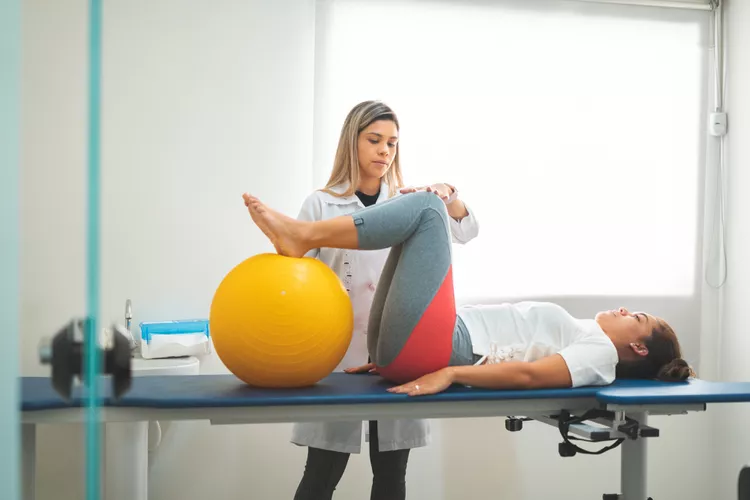
Positioning matters. Exercises may begin in supported positions, such as lying down or sitting. These positions reduce load and allow the body to learn proper activation patterns.
Consistency is important. Recovery does not happen overnight. Regular, appropriate exercise helps the nervous system relearn how to engage the core during daily activities.
Progression is gradual. As control improves, exercises can become more challenging. The key is to increase difficulty without increasing pressure too quickly.
At DX Physio, a physiotherapy-supervised exercise approach may be used to guide abdominal separation recovery through controlled, low-pressure movement and gradual progression.
Targeted exercises help restore trust in the body. They support healing while building confidence. Over time, the core becomes more responsive and stable.
When to Progress and How to Know You’re Ready
Knowing when to progress exercises is just as important as knowing which exercises to start with. Moving forward too soon can slow recovery. Waiting too long can lead to unnecessary fear or stagnation.
One sign of readiness is improved control. If you can engage your core without bulging or holding your breath, this suggests better coordination. Movements should feel supported rather than strained.
Breathing should remain steady. If breathing becomes shallow or forced during exercise, this may indicate that the load is too high. Control should come before intensity.
Daily activities can provide clues. Lifting, standing, or carrying should feel more stable over time. If these tasks feel easier, it may be appropriate to progress exercises.
Another sign is consistency. If you can perform your current exercises regularly without discomfort, progression may be appropriate. Pain or lingering soreness suggests the need to adjust.

Visual changes are not the only indicator. A smaller gap does not always mean better function. Focus on how the body feels and moves rather than appearance alone.
With guidance from a women’s health physio, progression does not always mean harder exercises. It may involve longer holds, improved alignment, or better breathing control. Small changes can represent meaningful progress.
It is also normal for progress to fluctuate. Fatigue, stress, and hormonal changes can affect performance. Recovery is rarely linear.
Listening to the body helps guide decision-making. When in doubt, staying within a comfortable range is often the safest choice.
Conclusion
Abdominal Separation Exercises can play an important role in recovery after pregnancy. However, not all exercises are helpful at every stage. Choosing the right movements matters.
Rushing into traditional abdominal training may increase pressure and delay healing. Understanding why certain exercises are not suitable helps prevent frustration and setbacks.
Targeted, low-pressure exercises support the body’s natural healing process. They focus on control, breathing, and coordination rather than intensity. This approach builds a strong foundation for long-term function.

Progression should be gradual and guided by how the body responds. Signs of readiness include improved control, stable breathing, and greater ease in daily movement.
Recovery is not about doing more. It is about doing what is appropriate. The quality of movement matters more than the quantity.
With patience and consistency, many women regain strength and confidence in their core. Abdominal Separation Exercises, when chosen wisely, support this journey safely and effectively.