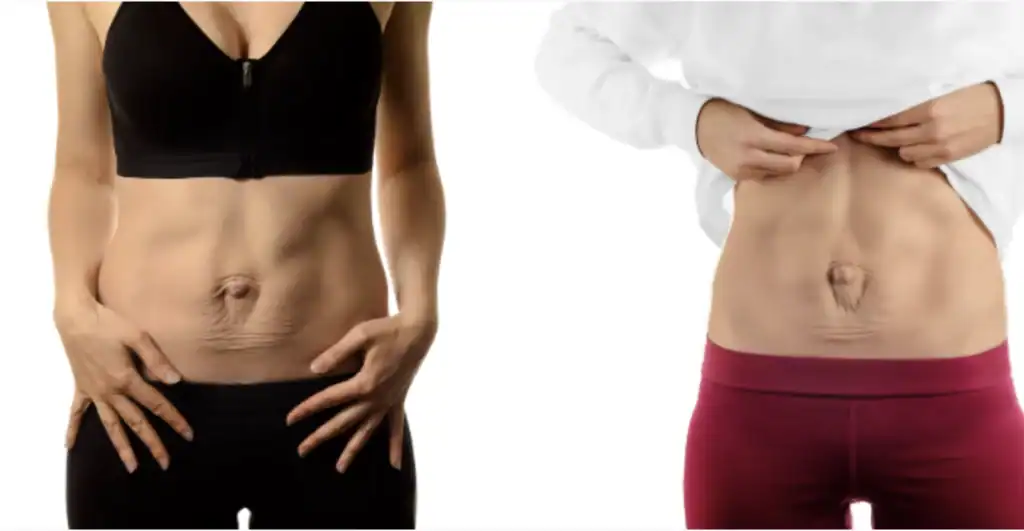

Many women believe that recovering from abdominal separation means avoiding exercise completely. Others think the solution is to train harder. Both ideas can be misleading. Recovery is not about doing nothing. It is also not about pushing through intense workouts. It is about moving correctly and consistently.
Abdominal Separation Recovery Exercises are designed to support healing rather than strain the body. After pregnancy, the abdominal muscles and connective tissue need time and guidance. Choosing the right exercises can help restore strength. Choosing the wrong ones can slow progress.
Abdominal separation, also known as diastasis recti, happens when the connective tissue between the abdominal muscles stretches. This is common during pregnancy. After birth, the muscles may not immediately return to their previous position. The core can feel weak or unstable.
It is normal to feel unsure about what to do next. Many women want to feel strong again. They want to carry their baby without discomfort. They want to return to exercise safely. The key is understanding that recovery requires the right type of movement, sometimes guided by physiotherapy principles.
Abdominal Separation Recovery Exercises focus on rebuilding control. They are gentle at first. They emphasise breathing and coordination. Over time, they build toward functional strength. This approach supports long-term improvement rather than short-term results.
The Role of Breathing and Core Control in Recovery
Breathing plays a central role in abdominal recovery. It may sound simple, but it is powerful. The diaphragm, deep abdominal muscles, and pelvic floor work together with each breath. When these muscles coordinate well, they create natural support for the abdomen.
During pregnancy, this coordination often changes. The growing uterus alters breathing patterns. After birth, some women continue to breathe shallowly. Others hold their breath during effort. Both patterns can increase pressure inside the abdomen.
Too much internal pressure can strain healing tissue. That is why controlled breathing is a foundation of recovery. Slow, steady breathing helps regulate pressure. It encourages the deep core muscles to activate gently.

Core control is not about tightening as hard as possible. It is about subtle engagement. The deep abdominal muscles should feel supportive, not tense. This type of activation creates stability without pushing outward on the midline.
The pelvic floor is also involved. It works in harmony with the deep core. When breathing and muscle engagement are coordinated, the body handles load more efficiently. This reduces strain during daily tasks.
Learning this coordination takes practice. It may feel unfamiliar at first. Many women are surprised by how small the movements are. However, these small movements build a strong foundation.
Over time, better breathing and core control improve posture. They reduce back strain. They increase confidence in movement. These changes support both recovery and everyday function.
How Guided Exercise Programs Support Healing
Abdominal Separation Recovery Exercises are most effective when they follow a structured progression. The body heals gradually. It responds best to consistent and appropriate challenges.
Guided programs begin with assessment. Every woman’s body is different. The width of separation, tissue tension, posture, and daily demands all influence recovery. A personalised approach considers these factors.

Exercises usually start in supported positions. Lying on the back or side reduces load on the abdomen. These positions allow focus on breathing and muscle coordination. Once control improves, exercises become more dynamic.
Progression is careful and deliberate. Movements become more functional. They may include gentle lifting patterns or controlled standing exercises. Each step builds confidence and strength.
Without guidance, it can be hard to know when to progress. Some women move too quickly. Others stay at the same level for too long. Both situations can delay improvement.
At DX Physio, women’s health physio-guided recovery programs support abdominal separation recovery exercises through personalised assessment and gradual progression.
Guided programs also provide reassurance. Many women worry about doing something wrong. Professional support reduces this fear. It allows focus on quality rather than intensity.
Healing is not only physical. Feeling supported increases motivation. It makes consistency easier. Over time, small improvements accumulate into meaningful strength gains.
Who Should Seek Professional Guidance
While some women experience mild separation that improves naturally, others benefit from professional support. Knowing when to seek guidance can prevent frustration.
Women with a noticeable or wide separation may need extra care. If the abdomen continues to bulge during simple movements, this may indicate reduced control. Professional assessment helps determine the next steps.
Persistent back pain or pelvic discomfort is another sign. These symptoms may be linked to core instability. Addressing abdominal separation can improve overall comfort.

Women who have tried to recover on their own without progress may also benefit from guidance. Online programs can be helpful, but they are general. Individual differences matter.
If you feel unsure about exercise choices, seeking advice can provide clarity. It removes guesswork. It ensures exercises match your stage of healing.
First-time mothers often appreciate structured support. Pregnancy and birth bring many changes. Having clear direction reduces overwhelm.
Professional guidance does not mean something is wrong. It means you value safety and long-term health. Support helps create a recovery path that fits your body and lifestyle.
Conclusion
Abdominal Separation Recovery Exercises are not about extreme workouts or complete rest. They are about choosing movements that respect healing tissue. The right exercises rebuild coordination, strength, and confidence over time.
Breathing and core control form the foundation. These elements reduce pressure and support the midline. Small, consistent practice leads to meaningful change.
Guided programs offer structure and progression. They reduce uncertainty and improve safety. Personalised approaches recognise that every body heals differently.
Professional guidance can be especially helpful for women with noticeable separation, discomfort, or slow progress. Support encourages safe advancement rather than rushed effort.
Recovery after pregnancy is a gradual process. Strength returns step by step. With patience and appropriate movement, the core can become stable and supportive again.
Abdominal Separation Recovery Exercises provide a safe path back to strength. They focus on quality, control, and long-term wellbeing. Moving correctly matters more than moving intensely. With the right approach, rebuilding confidence in your body is absolutely possible.