After birth, many mothers feel a mix of emotions. Joy often comes with exhaustion. Relief can sit alongside uncertainty. The body has been through significant change, yet daily demands begin almost immediately. Fatigue, weakness, and discomfort are common during this stage. Many women also feel unsure about how or when to return to exercise.
Postnatal Reformer Pilates has become a popular option for women who want to rebuild strength after birth in a safe and structured way. Unlike general fitness programs, it focuses on recovery rather than performance. It recognises that the postnatal body needs time, support, and gradual progression.
Core weakness is one of the most common concerns after pregnancy. Simple movements may feel harder than before. Lifting, carrying, or even standing for long periods can feel tiring. At the same time, many mothers worry about doing the wrong exercise and making things worse.
Returning to movement after birth is not about rushing back to pre-pregnancy fitness. It is about restoring function. It is about feeling confident in your body again. This is why gentle, guided exercise plays an important role during the postnatal period.
Understanding what the body goes through after pregnancy helps explain why a careful approach to exercise matters so much.
Common Physical Changes After Pregnancy and Birth
Pregnancy and birth place significant demands on the body. Even after delivery, the body continues to recover for months. Some changes are obvious. Others are less visible but equally important.
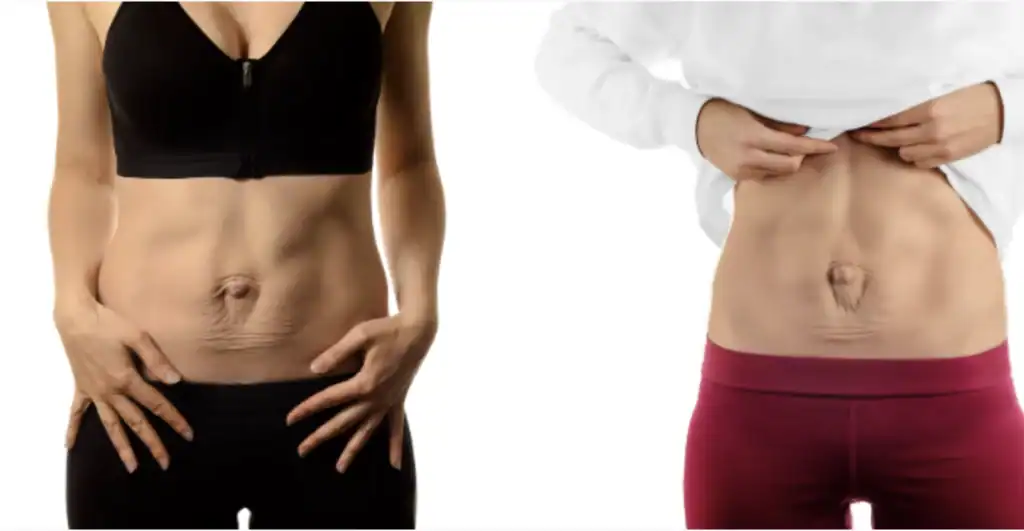
The core muscles are often affected. During pregnancy, the abdominal muscles stretch to accommodate the growing baby. After birth, these muscles may feel weak or disconnected. Some women experience abdominal separation, also known as diastasis recti. This can affect strength, posture, and stability.
The pelvic floor also undergoes change. These muscles support the bladder, bowel, and uterus. Pregnancy and birth can weaken this support system. This may lead to symptoms such as heaviness, leakage, or reduced control during movement. Even without symptoms, pelvic floor coordination may still be altered.
Posture often changes during pregnancy and may persist after birth. Feeding, carrying a baby, and prolonged sitting can place extra strain on the neck, shoulders, and lower back. Many mothers notice tension or discomfort in these areas.

Joint stability can also be affected. Pregnancy hormones increase joint flexibility. While this is helpful for childbirth, it can reduce stability during the postnatal period. Movements may feel less controlled, especially when tired.
Fatigue plays a major role as well. Sleep disruption and increased physical demands can slow recovery. This makes it even more important to choose exercises that support the body rather than overload it.
These changes are a normal part of the postnatal journey. They highlight why returning to exercise requires patience and guidance.
How Postnatal Reformer Pilates Supports Recovery
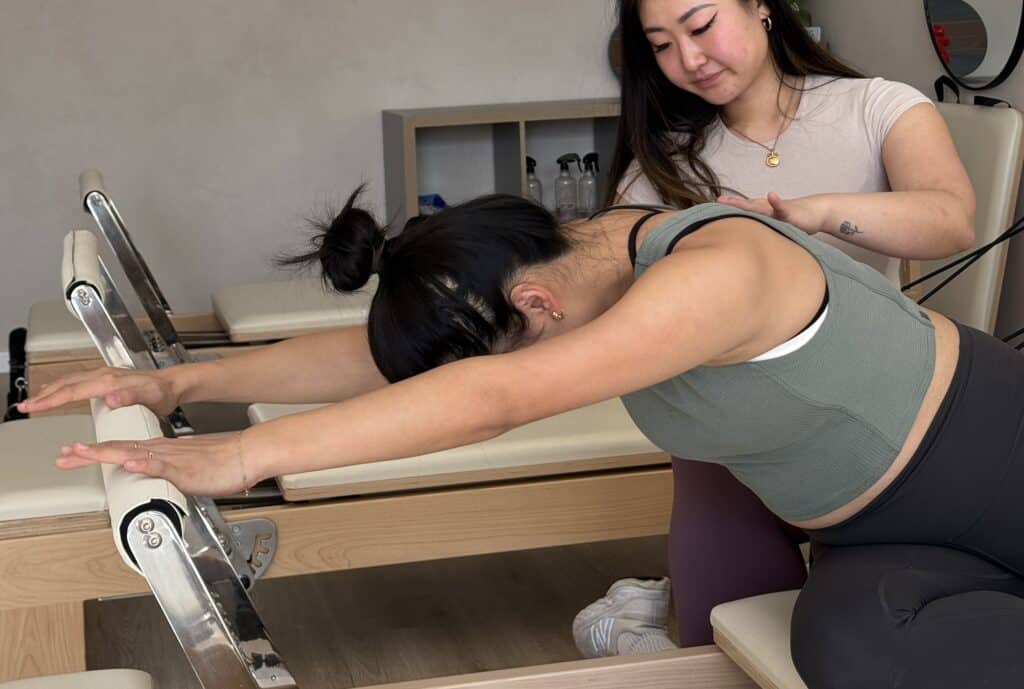
Postnatal Reformer Pilates is designed to support recovery rather than push intensity. The reformer machine uses springs to provide adjustable resistance. This allows exercises to be gentle, supported, and controlled. Movements can be tailored to the individual’s stage of recovery.
One of the key benefits is low-impact movement. Exercises are smooth and controlled, reducing stress on joints and tissues. This makes it suitable for bodies that are still regaining strength and stability.
Core engagement is approached carefully. Instead of intense abdominal exercises, Postnatal Reformer Pilates focuses on deep core muscles. These muscles support the spine and pelvis. Strengthening them helps improve posture and functional movement.

Pelvic floor coordination is often integrated into movement patterns. Controlled breathing and gentle activation help reconnect these muscles with the rest of the body. This supports daily activities such as lifting, bending, and walking.
The reformer also allows exercises to be performed in different positions. This flexibility is helpful for women who may find certain positions uncomfortable early on. As strength improves, movements can be progressed gradually.
At DX Physio Balgowlah Sydney, postnatal reformer sessions are guided by physiotherapists, ensuring exercises are adapted to individual recovery needs and stages.
Overall, this approach helps women rebuild strength while feeling supported. It encourages confidence in movement rather than fear of injury.
When and How to Start Postnatal Reformer Pilates Safely
The right time to start postnatal exercise can vary. Every birth experience is different. Recovery timelines are influenced by delivery type, individual health, and how the body responds after pregnancy.
Some women may feel ready to begin gentle movement within weeks. Others may need more time. Listening to the body is important. Pain, heaviness, or excessive fatigue are signs to slow down.
Starting slowly is key. Postnatal Reformer Pilates is not about intensity. Early sessions often focus on awareness, breathing, and gentle activation. This helps rebuild foundations before progressing to more challenging movements.

Progression should be gradual. Strength and endurance improve over time. Exercises can be adjusted as the body adapts. What feels right at one stage may change as recovery continues.
Individual differences matter. Some women may have specific concerns such as abdominal separation or pelvic floor symptoms. These require careful consideration when returning to exercise. A personalised approach helps ensure safety and comfort.
Consistency is more important than speed. Regular, gentle movement supports recovery better than pushing too hard too soon. Building strength slowly helps reduce the risk of setbacks.
Choosing a supportive environment can make a big difference. Feeling guided and understood allows mothers to focus on recovery without added stress.
Conclusion
The postnatal period is a time of transition. The body has done an incredible job, but recovery takes time. Strength, stability, and confidence do not return overnight. They are rebuilt through patience and appropriate movement.
Postnatal Reformer Pilates offers a supportive way to reconnect with the body after birth. Its low-impact, controlled approach respects the changes that occur during pregnancy and delivery. It focuses on restoring function rather than chasing fitness goals.

Returning to exercise after birth should prioritise recovery and long-term health. Gentle progression helps rebuild strength while reducing the risk of injury. Feeling confident in movement is just as important as physical improvement.
By choosing an approach that supports the body’s needs, women can move forward with greater comfort and confidence. Postnatal Reformer Pilates encourages this steady and mindful return to movement.