DX Physio Balgowlah & Cremorne Sydney

Pelvic Organ Support &Pessary Fitting

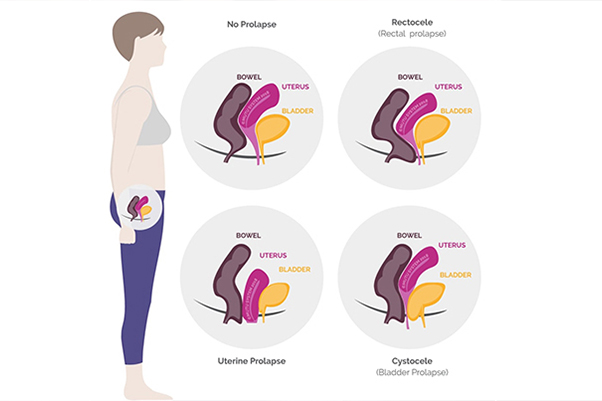
Understanding Pelvic Organ Prolapse

Pelvic organ prolapse happens when the muscles and tissues that support the pelvic organs — such as the bladder, uterus, or bowel — become stretched or weakened.This can happen after childbirth, menopause, or with ongoing pressure on thepelvic floor (like heavy lifting or chronic constipation).
While prolapse is very common, it’s not something you haveto simply “live with.”There are gentle, effective ways to manage symptoms and improve your comfort and quality of life.
 

Common Symptoms of Pelvic Organ Prolapse

You might notice:

These symptoms can vary from mild to more noticeable — but support is available.

How We Can Help

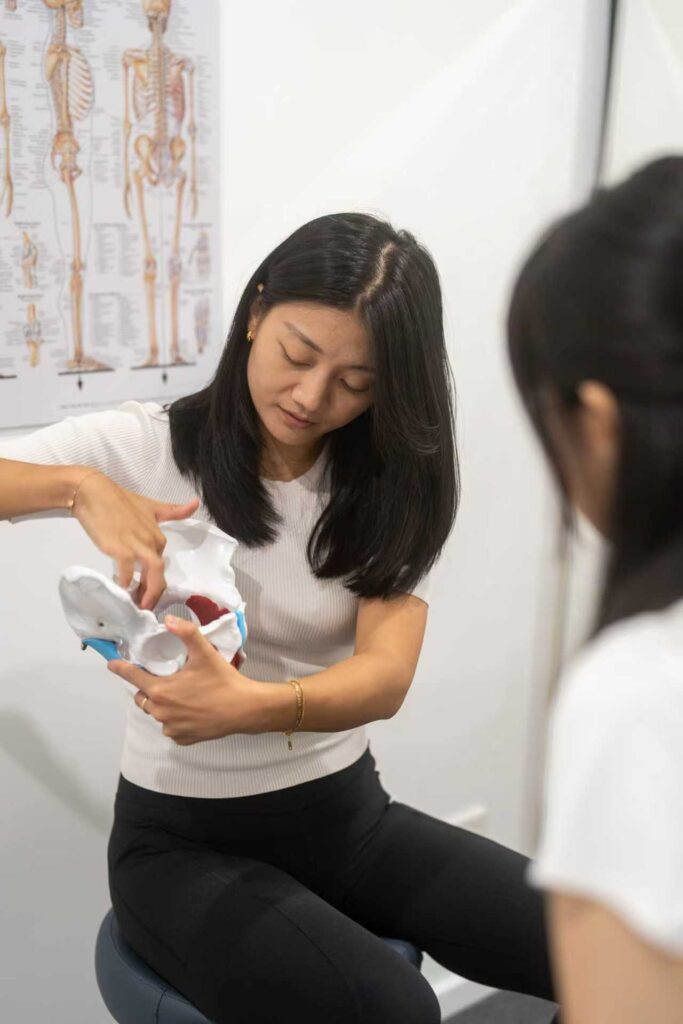
Our Women’s Health Physiotherapists are specially trained to assess and manage pelvic organ prolapse and related symptoms. We take the time to understand your concerns, assess your pelvic floor support, and discuss all the options available to help you feel more comfortable and confident.
One of the most effective, non-surgical options for prolapse management is pessary fitting.

What Is a Pessary?

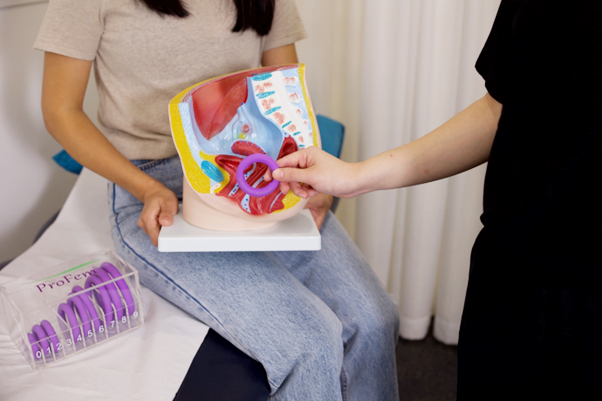
A pessary is a small medical device, made of soft silicone, that is placed inside the vagina to help support the pelvic organs. It works a bit like a brace — providing gentle support to reduce the feeling of pressure or bulging.
Pessaries come in different shapes and sizes, and your physiotherapist will help you find the right one for your body and lifestyle.
 

What to Expect in Your Consultation

Your appointment will include:

A private discussion about your symptoms and medical history
A gentle pelvic examination (only with your consent) to assess the level and type of prolapse
Pessary fitting and trial, to ensure comfort and support
Education on how to care for your pessary — including insertion, removal, and cleaning
Pelvic floor muscle training to improve your long-term support
Guidance on daily habits, exercise, and self-care to prevent symptom worsening

Follow-up appointments are important to make sure your pessary continues to fit well and feels comfortable.

Our Treatment Approach

Your management plan may include:

Pessary fitting and ongoing review
Pelvic floor muscle training to build strength and endurance
Reformer Training to strengthen deep core and pelvic floor to improve inner stability and pelvic support
Bladder and bowel management strategies to reduce strain
Lifestyle advice — including posture, lifting techniques, and exercise modification
TENS therapy or other modalities to help with pelvic discomfort

Our goal is to help you feel supported — literally and emotionally — through every stage of your recovery.


Our Expert Women’s Health Physio

Beverley Kang

Women’s Health Physio

Wendi Jin

Women’s Health Physio

Deman Xia

Women's Health Physio

Name