
Pregnancy brings many changes to the body. Some are exciting. Others can feel overwhelming. As your body grows and adapts, the way you move, stand, and exercise often changes too. Many women begin to question what type of exercise is still safe. Some worry about harming their baby. Others feel unsure about how to stay active without causing pain or strain.
Prenatal Reformer Pilates has become a popular choice for expectant mothers who want to keep moving during pregnancy in a controlled and supportive way. Unlike high-impact workouts or unmodified group classes, this approach focuses on stability, posture, and gentle strength. It allows the body to stay active while respecting the changes that occur throughout pregnancy.
Staying active during pregnancy can help with comfort, confidence, and overall wellbeing. However, not all exercises are suitable at every stage. This is why many pregnant women are now looking for structured and adaptable options that support their changing bodies. Prenatal Reformer Pilates offers a way to move with awareness rather than pushing through discomfort.
Understanding how pregnancy affects the body helps explain why this form of exercise is often recommended. It also highlights why safety and individual guidance matter so much during this time.
How Pregnancy Changes Strength, Posture, and Stability
During pregnancy, the body goes through significant physical changes. Hormones increase to support the growing baby. These hormones also affect joints and connective tissue. Ligaments become more flexible. While this helps prepare the body for birth, it can also reduce joint stability.
As the baby grows, posture often changes. The centre of gravity shifts forward. This can increase the curve in the lower back. Some women notice more pressure in the hips or pelvis. Others feel tension in the neck and shoulders as they adjust their posture to compensate.

Core muscles also change during pregnancy. The abdominal muscles stretch to make room for the baby. This can reduce core strength and affect balance. Pelvic floor muscles work harder to support the growing weight. When these muscles become fatigued, women may experience discomfort or feelings of instability.
Balance can feel different as pregnancy progresses. Movements that once felt easy may feel unfamiliar. Simple tasks like standing on one leg or turning quickly can become more challenging. This is completely normal, but it highlights the need for exercises that focus on control and awareness.
Fatigue is another common factor. Energy levels may fluctuate throughout pregnancy. Some days feel better than others. Exercise routines need to adapt to these changes rather than follow a fixed intensity level.
Because of these physical shifts, traditional workouts may no longer feel comfortable or safe. High-impact movements or exercises that involve heavy loads can increase strain on joints and muscles. This is why pregnancy-specific exercise approaches are often recommended.
How Prenatal Reformer Pilates Supports a Healthy Pregnancy
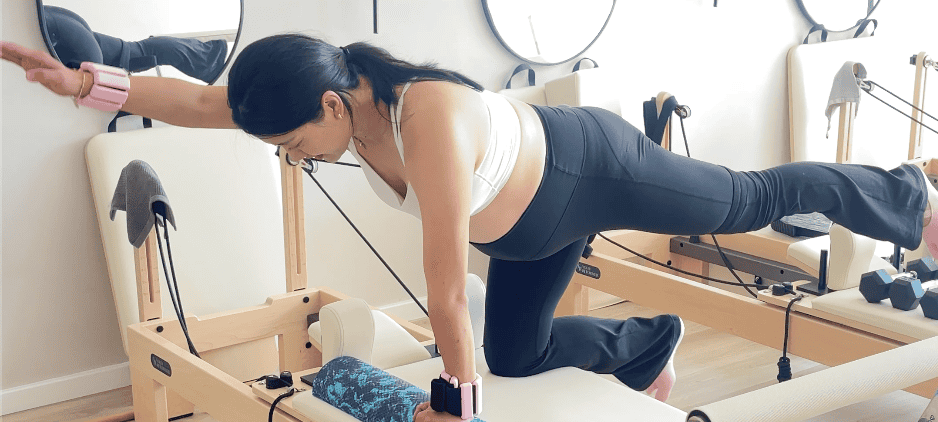
Prenatal Reformer Pilates is designed to work with the body rather than against it. The reformer machine uses springs to provide adjustable resistance. This allows exercises to be supported and controlled. Movements can be gentle or more challenging, depending on the stage of pregnancy and individual comfort.
One of the key benefits is improved posture awareness. Exercises encourage alignment through the spine and pelvis. This can help reduce common pregnancy discomforts such as lower back pain or pelvic tension. Gentle strengthening of postural muscles supports the body as it adapts to change.
Core engagement is another important element. Prenatal Reformer Pilates focuses on deep core muscles rather than intense abdominal work. This supports stability without placing excessive pressure on the abdomen. Controlled breathing is often incorporated to help manage tension and encourage relaxation.
The reformer also allows for exercises in various positions. Some women may prefer side-lying or elevated positions as pregnancy progresses. The machine makes these adaptations possible without compromising support or effectiveness.
Comfort is a key priority. Movements are slow and intentional. This reduces the risk of sudden strain or imbalance. Rest can be taken when needed. Exercises can be adjusted based on how the body feels on the day.
At DX Physio Cremorne Sydney, prenatal reformer classes are physio-supervised, ensuring exercises are adapted to each stage of pregnancy with safety and individual needs in mind.
Overall, this approach helps women stay active while respecting their changing bodies. It encourages confidence in movement rather than fear or hesitation.
Who Prenatal Reformer Pilates Is Suitable For
Prenatal Reformer Pilates is suitable for many pregnant women, regardless of fitness level. It can be beneficial for those who were active before pregnancy and want to continue moving safely. It can also suit women who are new to exercise and want a gentle introduction.
Women in early pregnancy may find it helps maintain strength and mobility. As pregnancy progresses, exercises can be adapted to support comfort and balance. This flexibility makes it suitable across different stages.
It can also be helpful for women experiencing common pregnancy discomforts. Lower back pain, pelvic discomfort, and postural fatigue are often reasons women seek supportive exercise options. Gentle strengthening and controlled movement may help reduce these symptoms.

Those who feel unsure about exercising during pregnancy may appreciate the structured and guided nature of Prenatal Reformer Pilates. Knowing that movements are designed specifically for pregnancy can provide reassurance.
However, it is important for each individual to consider their own health circumstances. Certain medical conditions may require specific advice before starting any exercise program. Listening to the body and seeking professional guidance is always recommended.
Prenatal Reformer Pilates is not about pushing limits. It is about maintaining movement, strength, and awareness in a safe and supportive environment. This mindset makes it suitable for many women who want to stay connected to their bodies during pregnancy.
Conclusion
Pregnancy is a time of constant change. The body adapts in remarkable ways to support new life. Staying active during this time can offer many benefits, but it also requires thoughtful choices. Not all exercise approaches are suitable, especially as strength, posture, and stability change.
Prenatal Reformer Pilates offers a balanced option for expectant mothers who want to remain active without unnecessary risk. It focuses on controlled movement, gentle strength, and posture support. The adaptable nature of the reformer allows exercises to evolve alongside the body.

Choosing safe and progressive exercise during pregnancy is not about achieving fitness goals. It is about supporting comfort, confidence, and long-term wellbeing. By prioritising mindful movement, women can feel more connected to their bodies throughout pregnancy.
Prenatal Reformer Pilates encourages this connection. It supports the body as it changes and prepares it for the journey ahead.