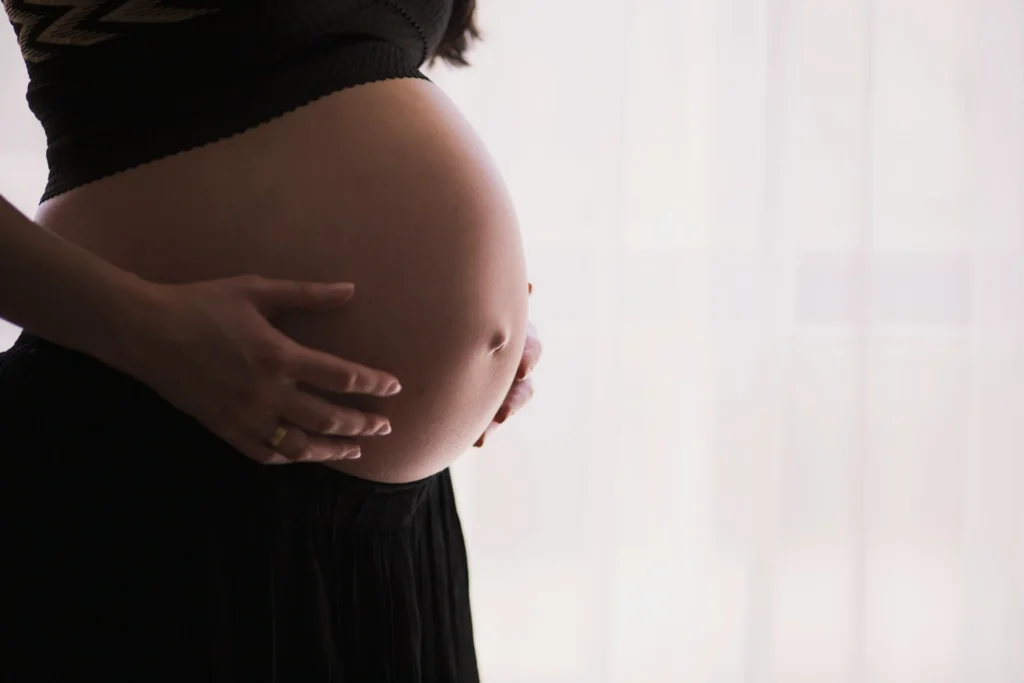

Abdominal Separation Recovery is a topic many women search for after pregnancy, yet few fully understand. After giving birth, it is common to notice changes in the stomach area. The belly may feel soft. The core may feel weak. Some women notice a bulge that does not disappear, even months after delivery.
This condition is known as abdominal separation, or diastasis recti. It happens when the left and right sides of the abdominal muscles move apart during pregnancy. While it is very common, it is often misunderstood or overlooked. Many women assume it will heal on its own. Others are unsure whether it is even a problem.
Abdominal separation is not just about appearance. It can affect how the body moves and functions. It may contribute to back pain, poor posture, or difficulty engaging the core. For some women, daily tasks like lifting a baby or standing for long periods feel harder than expected.
The good news is that recovery is possible. With the right approach, many women can rebuild strength and regain confidence in their bodies. Abdominal Separation Recovery is not about rushing or pushing harder. It is about understanding the body and allowing it to heal properly.
This article explains what causes abdominal separation, how recovery supports core healing, common mistakes to avoid, and why a gradual, informed approach matters.
What Causes Abdominal Separation After Pregnancy
During pregnancy, the body goes through major changes. As the baby grows, the uterus expands. This places pressure on the abdominal wall. To make space, the connective tissue between the abdominal muscles stretches.
Hormonal changes also play a role. Pregnancy hormones increase joint and tissue flexibility. This helps prepare the body for birth. However, it also means the connective tissue in the abdomen becomes more elastic. This makes separation more likely.
The abdominal muscles themselves do not tear. Instead, the tissue between them thins and widens. This creates a gap along the midline of the abdomen. For many women, this separation is noticeable after birth.

Posture changes during pregnancy can add to the issue. As weight shifts forward, the lower back often arches more. The core muscles may become less active. This reduces support for the abdominal wall.
After birth, the body does not instantly return to its pre-pregnancy state. The connective tissue needs time to regain strength. The muscles need to relearn how to work together. Without proper guidance, this process can be slow or incomplete.
Abdominal separation is influenced by many factors. These include multiple pregnancies, carrying a large baby, or having a shorter torso. Genetics may also play a role. However, even women without risk factors can experience separation.
Understanding the cause helps remove blame. Abdominal separation is not a failure. It is a physical response to pregnancy. Recovery begins with recognising that the body has adapted, not broken.
How Proper Abdominal Separation Recovery Supports Core Healing
Abdominal Separation Recovery focuses on restoring function, not forcing the muscles back together. The goal is to help the core work as a coordinated system again. This includes the deep abdominal muscles, breathing muscles, and pelvic floor.
One of the most important elements of recovery is control. Learning how to gently engage the deep core helps reduce strain on the abdominal wall. This support allows the connective tissue to heal over time.
Breathing plays a key role. Shallow or forceful breathing can increase pressure in the abdomen. Controlled breathing helps manage this pressure. It also improves coordination between the core and pelvic floor.
Movement quality matters more than intensity. Slow, controlled exercises allow the muscles to activate correctly. This reduces compensation from other areas, such as the lower back or hips.

Postural awareness is also important. Good alignment reduces unnecessary load on the abdomen. Simple changes, such as how you stand or lift, can support recovery throughout the day.
Progression should be gradual. Healing connective tissue takes time. Pushing too quickly can increase pressure and delay recovery. A structured approach helps ensure that exercises match the body’s current capacity.
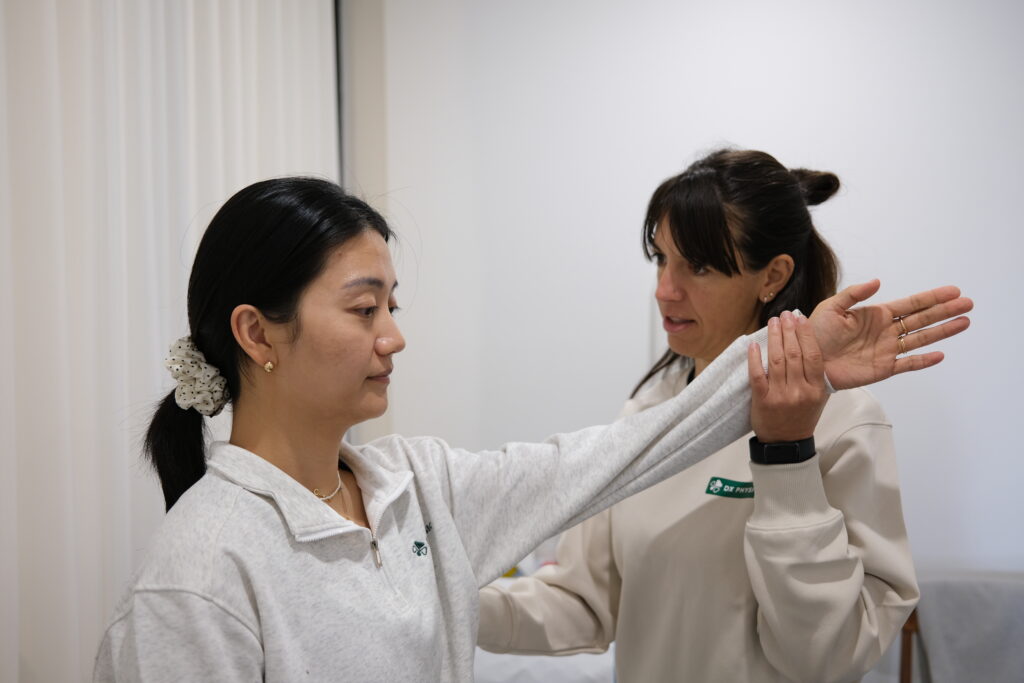
At DX Physio, abdominal separation recovery may be supported through physiotherapy-led Clinical Pilates, where movement is guided to promote safe core engagement and gradual strengthening.
Recovery is not the same for everyone. Some women notice improvement within months. Others need more time. What matters most is consistency and appropriate guidance.
Common Mistakes to Avoid During Recovery
One of the most common mistakes is doing the wrong exercises too early. Traditional abdominal exercises, such as sit-ups or crunches, can increase pressure on the abdominal wall. This may worsen separation instead of helping it.
Another mistake is focusing only on closing the gap. Abdominal separation is not just about distance. Strength, control, and tissue quality are equally important. A smaller gap does not always mean better function.
Ignoring breathing patterns is also common. Holding the breath during exercise increases internal pressure. This places strain on the connective tissue. Proper breathing helps protect the healing area.
Some women avoid movement altogether out of fear. While rest is important, complete inactivity can slow recovery. Gentle, guided movement supports circulation and muscle re-education.

Poor posture during daily activities can also interfere with healing. Slouching, arching the back, or lifting incorrectly adds stress to the abdomen. Recovery extends beyond exercise sessions.
Comparing progress to others can be discouraging. Every body heals differently. Recovery timelines vary. What works for one person may not suit another.
Finally, relying on online advice without input from a women’s health physio can be risky. Social media exercises are often generic. They may not account for individual differences or symptoms.
Avoiding these mistakes helps create a safer recovery environment. Small adjustments can make a big difference over time.
Conclusion
Abdominal Separation Recovery is a gradual process that requires patience and understanding. After pregnancy, the body needs time to adapt and rebuild. Rushing this process can lead to frustration or setbacks.
Abdominal separation is common and manageable. It is not just an aesthetic issue. It affects how the body moves, supports itself, and responds to daily demands. Recovery focuses on restoring function, not forcing quick results.
A thoughtful approach includes controlled movement, proper breathing, and progressive strengthening. Avoiding high-pressure exercises and respecting the body’s limits are essential steps.

Professional guidance can help ensure recovery strategies are appropriate and effective. Support provides reassurance during a time when many women feel uncertain about their bodies.
With consistency and care, many women experience meaningful improvement. Strength can return. Confidence can grow. The body can feel supportive again.
Abdominal Separation Recovery is not about perfection. It is about rebuilding trust in the body and moving forward safely, one step at a time.