After pregnancy, many women ask the same questions. When is it safe to exercise again? How do I start without hurting myself? What if my body does not feel the way it used to? These concerns are common and valid. The postnatal period is a time of recovery, adjustment, and learning to move again with confidence.
Reformer Pilates After Pregnancy has become a popular option for women who want to return to exercise in a controlled and supportive way. Rather than rushing back into high-intensity workouts, many mothers are now choosing a slower and more thoughtful approach. This reflects a growing understanding that the body needs time to heal after birth.
Pregnancy and birth place significant demands on muscles, joints, and connective tissues. Even when external recovery seems complete, internal systems may still be adjusting. Jumping back into exercise without considering these changes can lead to discomfort or injury.
Returning to movement after birth should not feel overwhelming. It should feel reassuring. A gradual approach allows women to rebuild strength while respecting the body’s recovery process. Understanding why rushing can increase injury risk helps explain why supportive exercise options matter.
Why Rushing Back Into Exercise Can Increase Injury Risk
After birth, it can be tempting to return quickly to pre-pregnancy routines. Some women feel pressure to regain strength or fitness. Others miss the structure and familiarity of regular exercise. While motivation is positive, rushing the process can create problems.
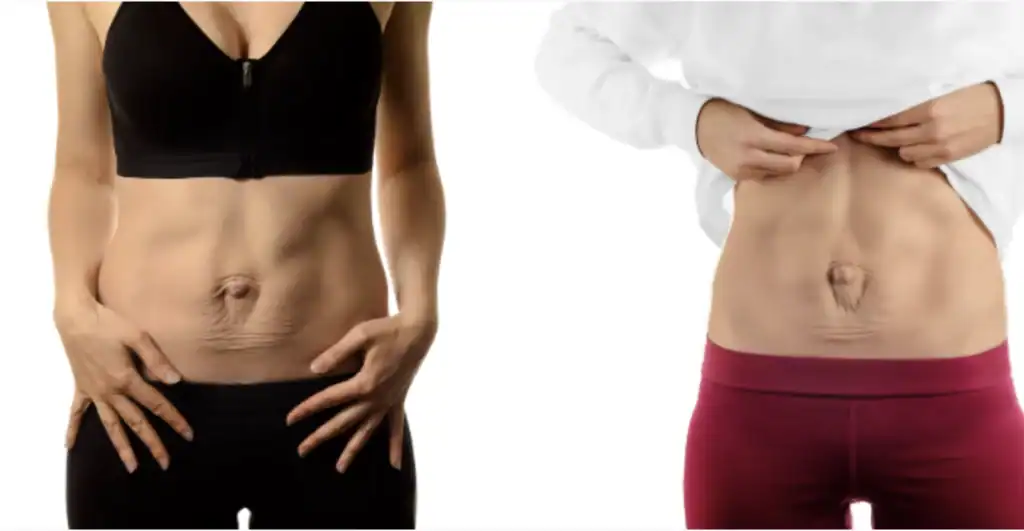
One of the most common issues is core weakness. During pregnancy, the abdominal muscles stretch to accommodate the growing baby. After birth, these muscles may not immediately regain their strength or coordination. High-impact or intense exercises can place excessive strain on a system that is still recovering.
The pelvic floor is another area that requires careful attention. These muscles support internal organs and help control movement and pressure. Pregnancy and birth can weaken this support. Returning too quickly to high-impact activity can increase symptoms such as heaviness, discomfort, or leakage.

Joint stability can also be affected after pregnancy. Hormonal changes increase joint flexibility. While this is helpful during pregnancy, it can reduce stability in the postnatal period. Fast or forceful movements may increase the risk of joint strain.
Fatigue plays an important role as well. Sleep disruption and increased daily demands can affect coordination and concentration. Exercising while tired increases the likelihood of poor movement patterns. This can place additional stress on muscles and joints.
Posture is often altered during pregnancy and early motherhood. Feeding, carrying a baby, and prolonged sitting can contribute to neck, shoulder, and lower back discomfort. Without addressing these changes, returning to exercise may reinforce poor posture rather than correct it.
Rushing back into exercise does not allow time for these factors to be addressed. A gradual approach helps reduce injury risk and supports long-term recovery.
How Reformer Pilates Helps You Return to Exercise Safely
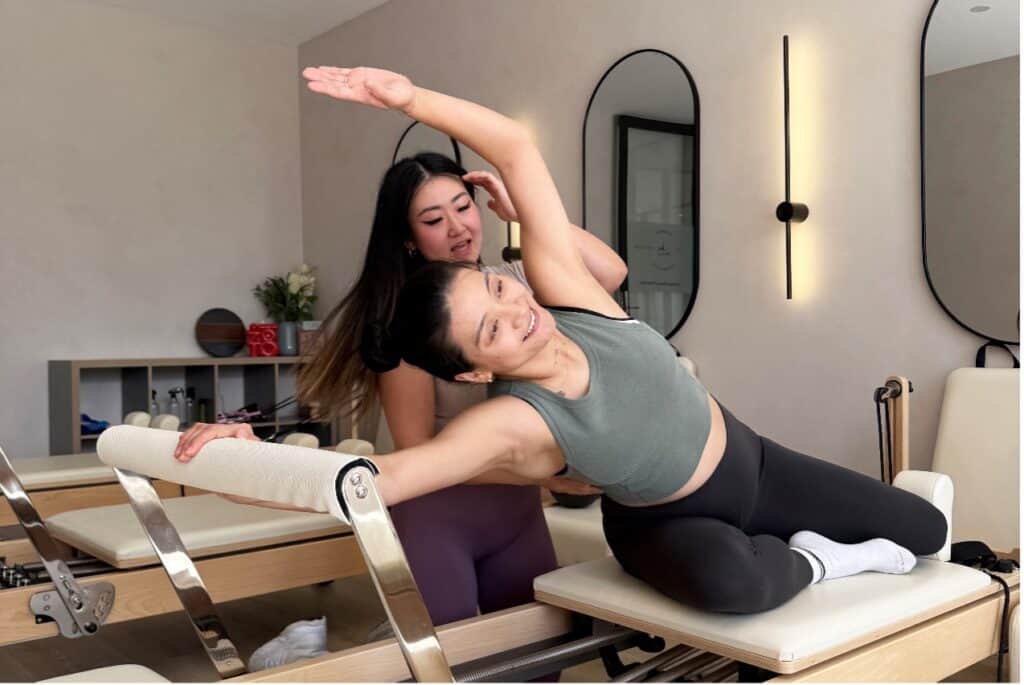
Reformer Pilates is well suited to postnatal recovery because it allows movement to be controlled and supported. The reformer machine uses springs to provide adjustable resistance. This makes it possible to begin with gentle movements and progress gradually.
One of the key benefits is low-impact exercise. Movements are smooth and controlled, which reduces stress on joints and connective tissues. This is particularly important for bodies that are still rebuilding strength and stability after pregnancy.
Core engagement is approached with care. Instead of intense abdominal exercises, Reformer Pilates focuses on deep stabilising muscles. These muscles support the spine and pelvis. Strengthening them helps improve posture and functional movement.
Stability is another important focus. Exercises encourage controlled movement and alignment. This helps improve balance and coordination, which may feel altered after pregnancy.

The reformer also allows exercises to be performed in various positions. This flexibility makes it easier to adapt movements based on comfort and recovery stage. Resistance can be adjusted to support rather than challenge the body too early.
At DX Physio, postnatal Reformer Pilates is guided by physiotherapists, ensuring exercises are tailored to individual recovery needs and progressed safely.
This supportive approach helps women rebuild confidence in movement. It encourages trust in the body rather than fear of injury. Over time, strength and endurance can be increased as the body adapts.
Signs You May Benefit from Guided Postnatal Exercise
Many women wonder whether guided exercise is necessary after pregnancy. While some feel ready to move independently, others experience signs that additional support may be helpful.
Lower back pain is a common example. Changes in posture, core strength, and daily movement patterns can place extra strain on the spine. Guided exercise can help address these issues gradually.
Core weakness is another common concern. Some women notice difficulty with simple movements such as standing up, lifting, or carrying. This may indicate that deeper stabilising muscles need attention.
Pelvic discomfort or feelings of heaviness can also suggest that support is needed. These sensations may appear during movement or daily activities. A guided approach helps ensure exercises do not increase pressure in vulnerable areas.

Fear of movement is an important sign that is often overlooked. After pregnancy, some women feel unsure about what is safe. This uncertainty can lead to avoidance or hesitation. Guided exercise provides reassurance and clear direction.
Fatigue that does not improve with rest may also indicate the need for a more structured approach. Gentle, well-designed movement can support energy levels rather than deplete them.
Experiencing any of these signs does not mean something is wrong. They simply reflect the body’s recovery process. Supportive exercise can help address these challenges in a safe and effective way.
Conclusion
Returning to exercise after pregnancy is not a race. It is a gradual process that requires patience and understanding. The body has undergone significant change, and recovery takes time.
Reformer Pilates After Pregnancy offers a supportive way to rebuild strength, stability, and confidence. Its low-impact and adaptable nature makes it suitable for postnatal bodies that are still adjusting.

Choosing the right approach to movement helps reduce injury risk and supports long-term health. Gentle progression allows the body to adapt without unnecessary strain.
By listening to the body and prioritising recovery, women can return to exercise with greater confidence. A thoughtful and supported approach makes the journey back to movement feel safe and sustainable.