DX Physio Balgowlah & Cremorne Sydney

Painful Intercourse (Dyspareunia) & Women’s Health Physiotherapy

Understanding Painful Intercourse

Pain during or after sexual intercourse — known as dyspareunia — is more common than many realise. It can affect women at any stage of life, from after childbirth, to menopause, or following pelvic surgery or trauma. While it’s often a sensitive topic, pain with intimacy is not something you have to live with — and physiotherapy can make a real difference.
 

Common Symptoms

You might notice:

These symptoms can vary from mild discomfort to severe pain — and often, women find it starts gradually and worsens over time.

How a Women’s Health Physio Can Help

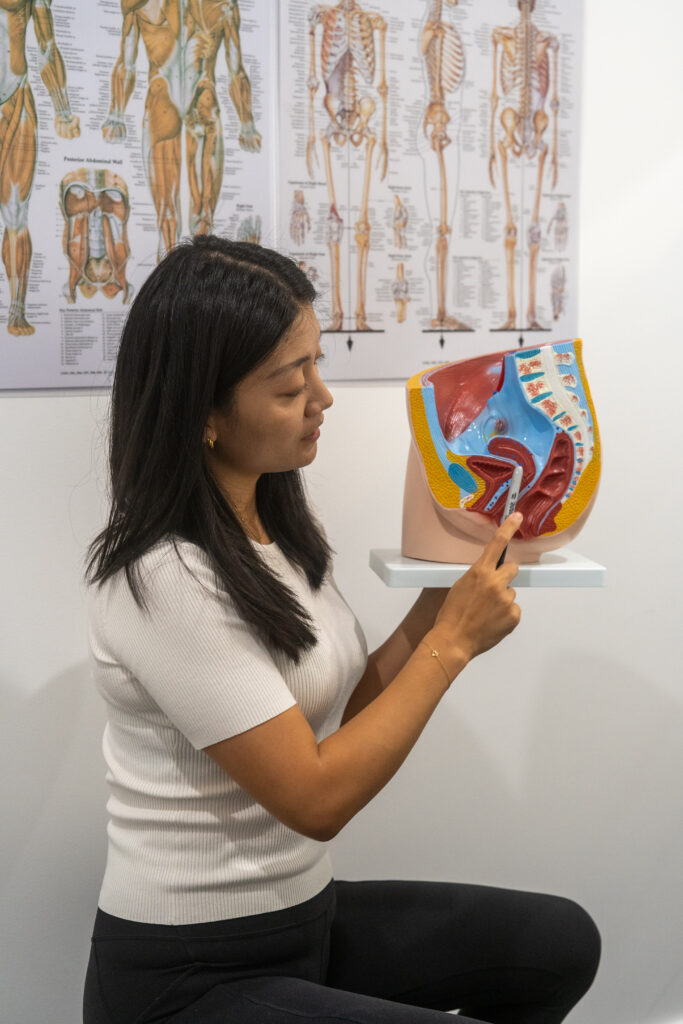
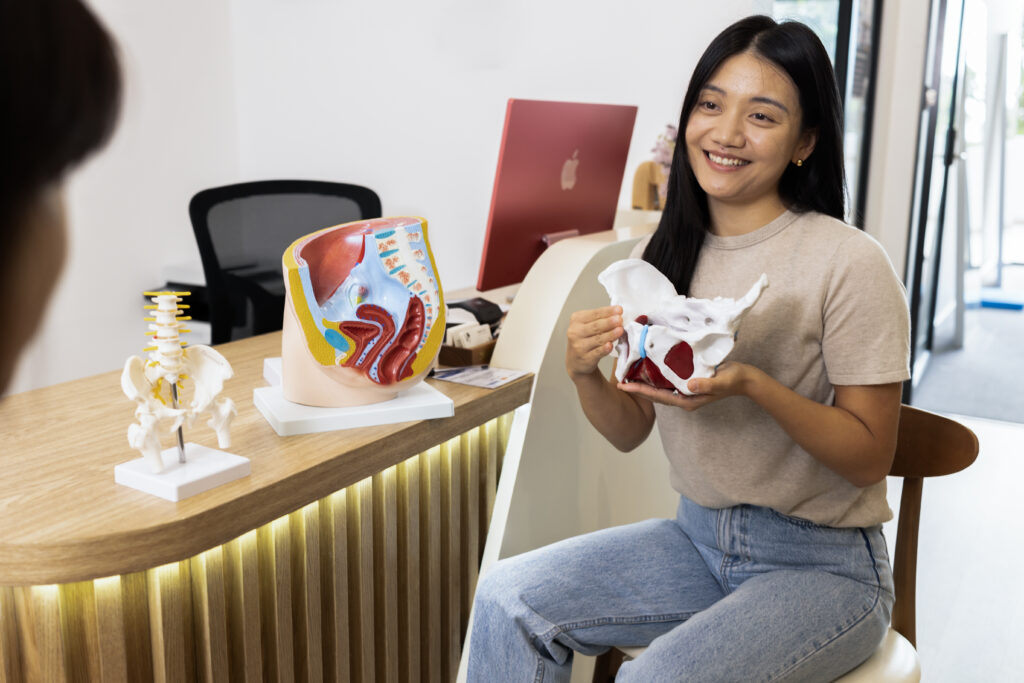
Our Women’s Health Physiotherapists are specially trained to assess and treat pelvic pain and tension that contribute to painful intercourse. We focus on understanding both the physical and emotional aspects of your experience, and we work together with you to restore comfort, confidence, and connection.

Common Causes of Painful Intercourse

Painful intercourse can result from several physical and hormonal factors, including:

Pelvic floor muscle overactivity or tension
Vaginal dryness (often due to hormonal changes after childbirth or menopause)
Scar tissue or adhesions after childbirth, C-section, or pelvic surgery
Endometriosis or pelvic inflammatory conditions
Pelvic trauma or previous painful experiences
Postpartum changes such as perineal tears or episiotomy scars
Emotional or stress-related pelvic tension

Every woman’s experience is unique — which is why assessment and treatment must be personalised, gentle, and empowering.

What to Expect in Your Consultation

Your initial consultation includes:

A confidential and supportive discussion about your symptoms and history
A gentle assessment of your pelvic floor muscles, breathing, and posture (only with your consent)
Education about how pelvic floor tension can cause pain
A clear, step-by-step treatment plan to help you progress safely and comfortably

Our Treatment Approach

Your treatment may include:

Pelvic floor relaxation and desensitisation techniques
Manual therapy to release tension, scar tissue, or trigger points in the pelvic and abdominal area
Breathing and mindfulness techniques to help calm the pelvic floor and nervous system
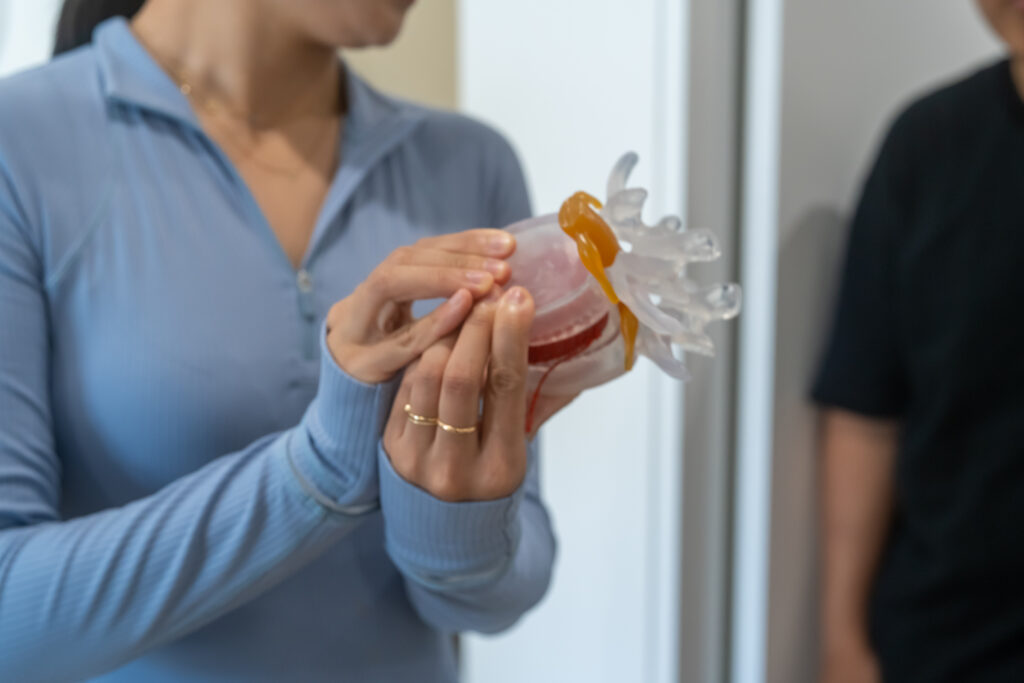
Graduated vaginal training (using dilators/ pelvic wand if appropriate) to gently improve comfort and confidence
Education and support for both you and your partner to rebuild a positive experience
TENS or biofeedback therapy to help retrain muscle coordination and reduce pain sensitivity

Our approach is compassionate, evidence-based, and designed to help you reconnect with your body in a safe and supported way.


Our Expert Women’s Health Physio

Beverley Kang

Women’s Health Physio

Wendi Jin

Women’s Health Physio

Deman Xia

Women's Health Physio

Name